
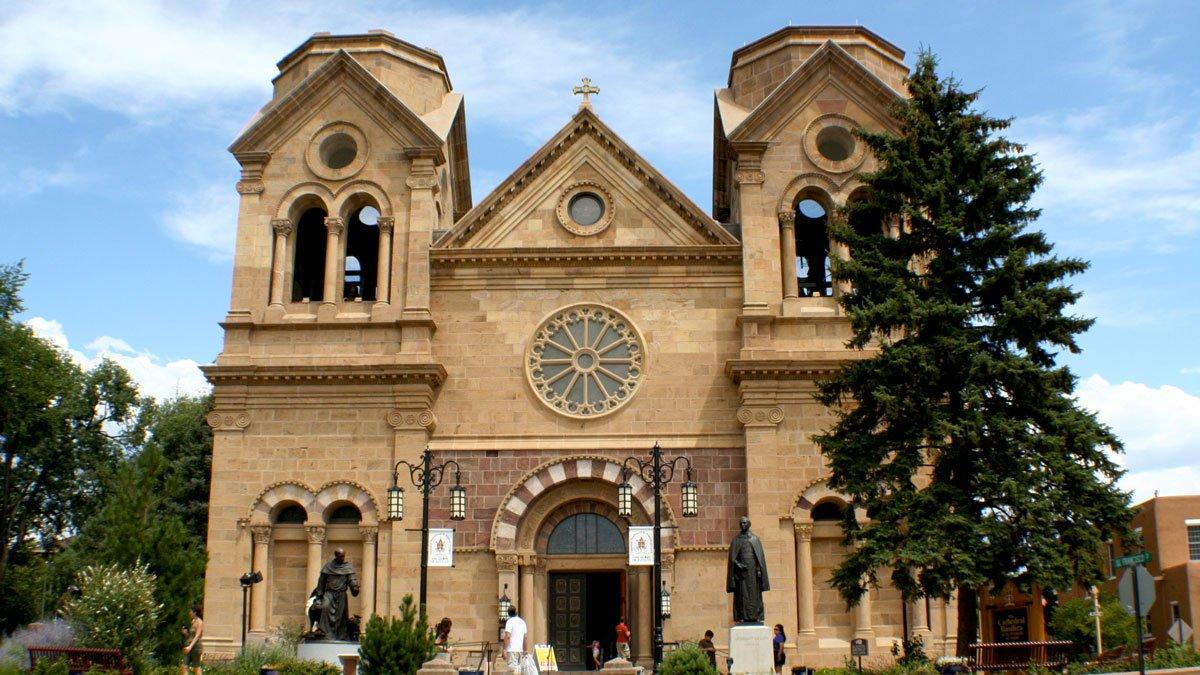
When the Archdiocese of Santa Fe filed for bankruptcy on Dec. 3, 2018, church officials said they were dangerously close to burning through their financial reserves after settling lawsuits with nearly 300 survivors of sexual abuse that occurred in this huge religious district, which encompasses 19 counties in central and northeastern New Mexico and the cities of Albuquerque, Santa Fe, Los Alamos and Taos.
As part of the proceedings at the federal bankruptcy court in Albuquerque, any “creditor” — the legal term used for abuse survivors — who had a financial claim against the church was given a chance to come forward and make their debt known.
Court records show that dozens of people, identified only as John and Jane Does, filed claims initially valued at $100,000 each. Between 1957 and 2018, the Does alleged, they had suffered sexual abuse at the hands of clergymen working for the Albuquerque-based archdiocese, most of whom were added to the church’s publicly accessible “List of Priests, Deacons, Religious, and Seminarians Credibly Accused of Sexual Abuse of Minors.” Many others were not added to the list, though, and the archdiocese has shown no interest in changing that.
Five years after proceedings began, the archdiocese reached a deal. With a $121.5 million payout, the church resolved the claims of some 400 John and Jane Does. The settlement also effectively blocked any additional claims about abuse that happened prior to the settlement from being litigated in the future.
In addition to the $121.5 million, the settlement established a new document archive whose contents will range from victim and witness depositions to police reports and archdiocese personnel files on individual priests. This archive, called The Archdiocese of Santa Fe Institutional Abuse Collection, will be housed at the University of New Mexico’s special collections library and will offer details on decades’ worth of sex abuse allegations that took place in this state. The settlement also mandated the creation of a fund that potential future victims can submit claims against.
Continue reading at National Catholic Reporter