
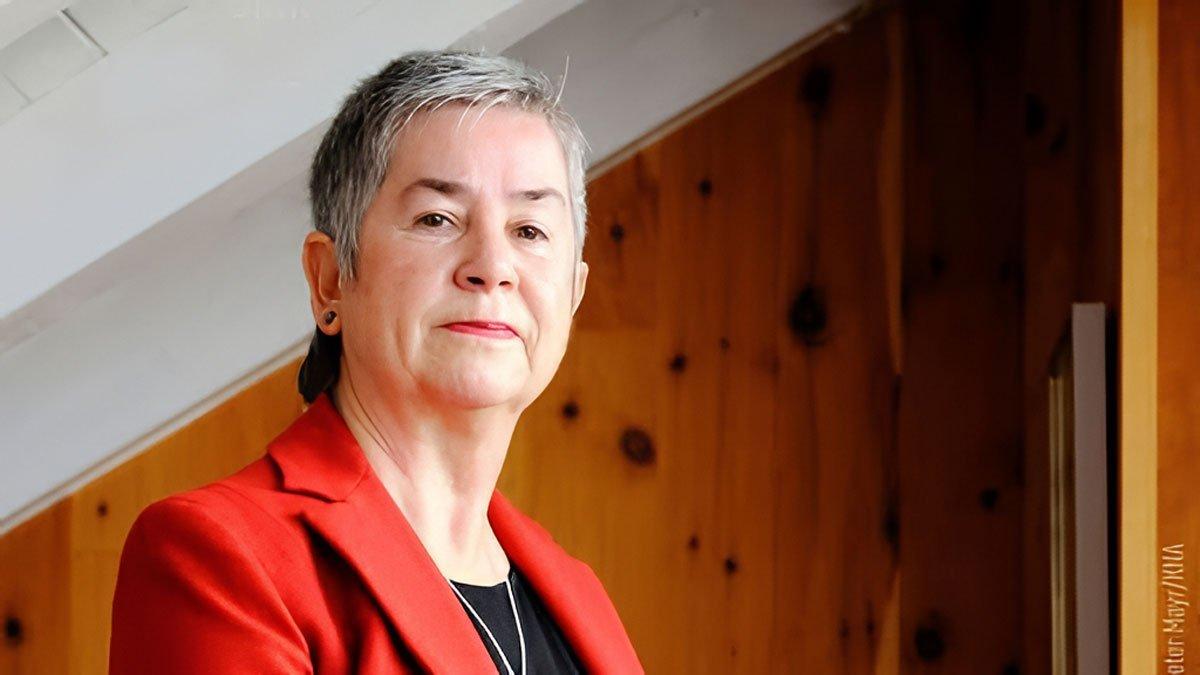
Will folks like Irme Stetter-Karp be excommunicated for their disobedience to Rome?
The Vatican’s refusal to allow laypeople to preach during Mass has not closed the debate in Germany. As soon as Rome’s response became known, the main organizations linked to the Synodal Way urged the German bishops to keep up pressure on the Holy See and to raise the issue again in the future.
According to the KNA news agency, both the Central Committee of German Catholics (ZdK) and other reformist groups reacted critically to the rejection communicated by the Dicastery for Divine Worship and the Discipline of the Sacraments, which recalled that the homily during Mass is reserved exclusively to priests and deacons.
ZdK urges bishops not to back down
The president of the Central Committee of German Catholics, Irme Stetter-Karp, stated that Rome’s rejection should not be interpreted as a reason to abandon the proposal promoted by the Synodal Way.
The lay leader recalled that the document titled “Proclamation of the Gospel by the Laity in Word and Sacrament” was approved in March 2023 with broad support from participants in the synodal process, including numerous bishops.
She therefore called on the German episcopate to reaffirm before the Holy See its favorable stance on expanding the liturgical roles of the laity and to continue defending the arguments presented so far.
Progressive associations criticize the Vatican decision
The Katholische Frauengemeinschaft Deutschlands (kfd), one of the country’s largest Catholic women’s organizations, interpreted Rome’s response as yet another sign of the lack of equality between men and women within the Church.
Its leadership argued that the decision ignores the abilities and theological formation of many women committed to ecclesial life and denounced the gap between what it considers the pastoral reality of local communities and the norms established by the Holy See.
The movement Wir sind Kirche (“We Are Church”) expressed itself in similar terms, describing the rejection as a decision “detached from reality.” The organization argued that the aging of the clergy and the shortage of new vocations make it increasingly difficult to maintain pastoral activity in numerous German parishes.
Continue reading at Infovaticana