
The pertinent question is not how many victims each setting produces in gross terms, but what density of abusers exists within each group.
Too many times, when the issue of sexual abuses reaches the public space, the institutional response from the Catholic Church hierarchy has relied on a rhetoric of dilution: “this happens everywhere,” “most abuses occur in the family setting,” “they are isolated cases.” The first two statements are true in absolute terms. And yet, read with honesty, they do not absolve the Church in the slightest.
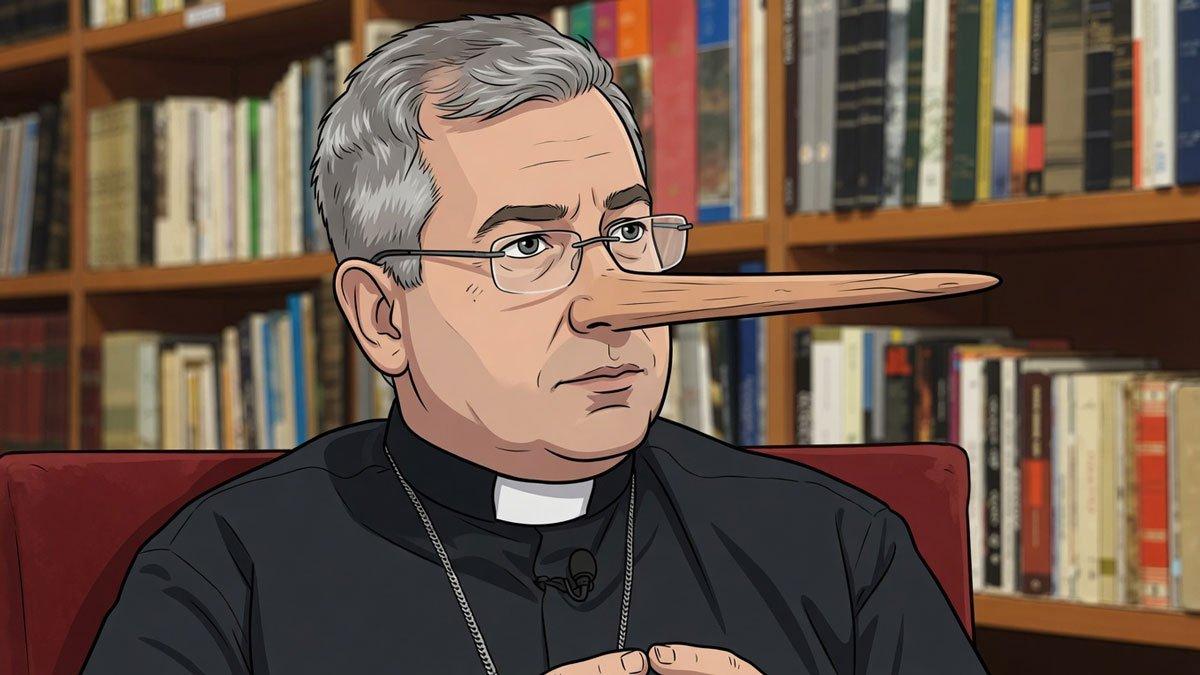
A few days ago, the Bishop of San Sebastián, Fernando Prado Ayuso, publicly stated about the abuses: “Forgiveness is not enough, but we must tell the truth, most sexual abuses against minors occur in the family setting.” The phrase is formally true. But it is also, in the context in which it is pronounced, exactly the problem. And it is for two reasons: for what it says and for what it omits.
The October 2023 report from the Defensor del Pueblo, the work of the law firm Cremades & Calvo Sotelo commissioned by the Conferencia Episcopal Española, and the major independent reports from France (Sauvé commission), Germany (MHG study), Australia (Royal Commission), and the United States (John Jay Report) all converge on a narrow and revealing statistical range. Between 3% and 7% of Catholic clerics from the period investigated in each country appear flagged by complaints of sexual abuse against minors. That is: around one in every twenty-five priests, in the most conservative scenario. One in every fifteen, in the most severe.
Criminological studies on the prevalence of child sexual abusers in the general adult male population, on the other hand, place the figure below 0.5%. The comparison, made with methodological prudence, yields an uncomfortable but clear result: the probability that an adult male has committed abuses against minors is between five and ten times higher if that male is a priest. It is not a sensational headline; it is the sober reading of reports that the Church itself, in other countries, has had to accept.
Continue reading Infovaticana