
American Catholicism is in steep decline. In 2000, 2.6 million American children attended Catholic schools. In 2025, only 1.6 million did. In 2001, more than a quarter-million Catholic weddings took place; in 2024, around 107,000 did. In 2001, more than a million infants were baptized in the Church. In 2024, fewer than half a million were. These numbers presage a future in which the Catholic Church will be much smaller and poorer than it currently is.
Given these facts, talk of a Catholic revival—spurred this spring by a surge in adult conversions, many in urban and university churches—is misplaced. At present, the trend in conversions shows no signs of offsetting broader decline. And yet something is stirring in the Catholic Church. It is evident not only in the number of adults seeking confirmation, but in the way Catholic concepts and figures have moved to the center of public debate. Rather than simple Catholic decline or Catholic revival, we appear to have entered a period of Catholic ferment, in which a process of breakdown is accompanied by the emergence of something new.
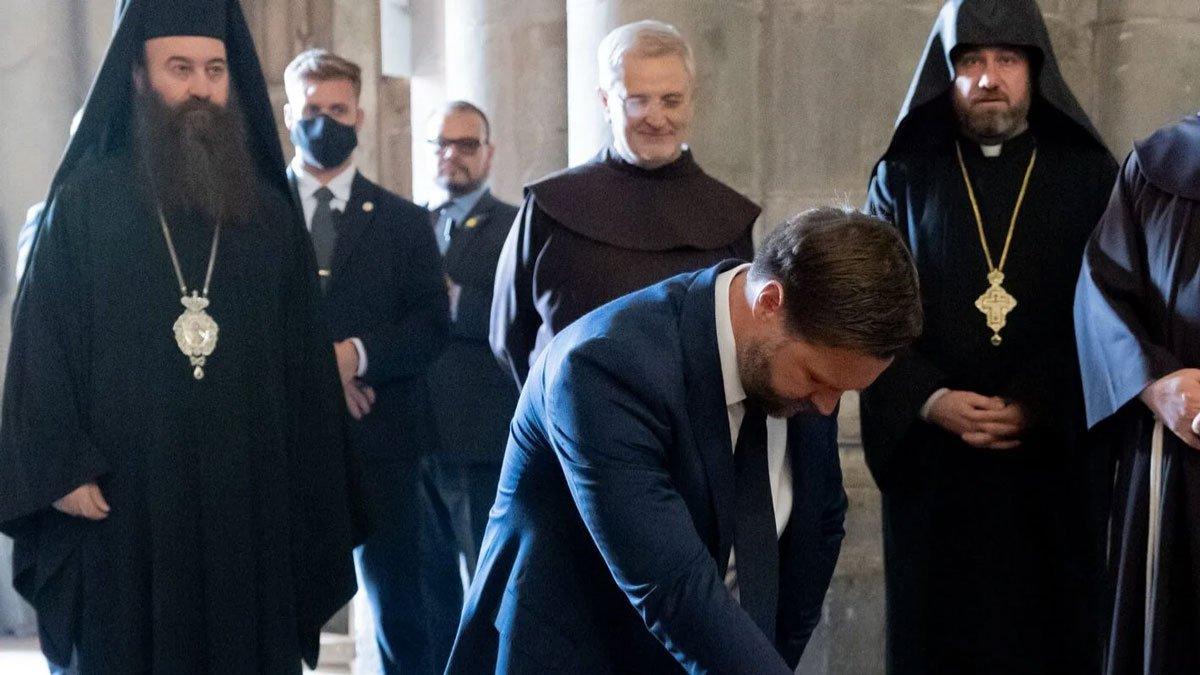
The ferment has been conspicuous during the second Trump term. Last year, shortly after Inauguration Day, Vice President JD Vance told an interlocutor on X to “google ‘ordo amoris,’” a Catholic theological term for the hierarchy of loves, the idea that we have greater obligations to our own children than to other people’s, and to our own town than to a town half a world away. He was responding to the former British official Rory Stewart, who had criticized Vance’s invocation of theology in the context of immigration policy.
Continue reading at First Things