
A recent reading from the Acts of the Apostles brought back the memory of an image from a book of stories I used to pull from the blue bookshelf in my childhood bedroom.
It showed a small village in a valley, hemmed in by a cashmere blanket of green mountains. A handful of shops, a white-steepled church, and a dozen or so homes rested by a lake fed by a brook that zigzagged down a mountain. On a hill in the distance, a locomotive chugged along, passing by a few tidy homes that clung to the mountainside.
But it was the children and adults, lingering beneath that wide blue sky, who drew me in. I remember longing to be them, to belong to that peaceful place. In my imagination, I had already chosen my home on the hillside—where I had become the boy waving at the passing train.
It was this warming image that returned with Luke’s description (Acts 2:42–47) of the rhythm of life among the early disciples. He portrays a community in harmony, one that prayed, dined, and labored happily side by side. Just after Jesus’ crucifixion and Resurrection, they were “breaking bread,” elbow to elbow, in their homes, and worshiping as one in what were the first celebrations of the Sacrifice of the Mass.
“Awe came upon everyone,” Luke records. “And many wonders and signs were done through the apostles…every day the Lord added to their number.”
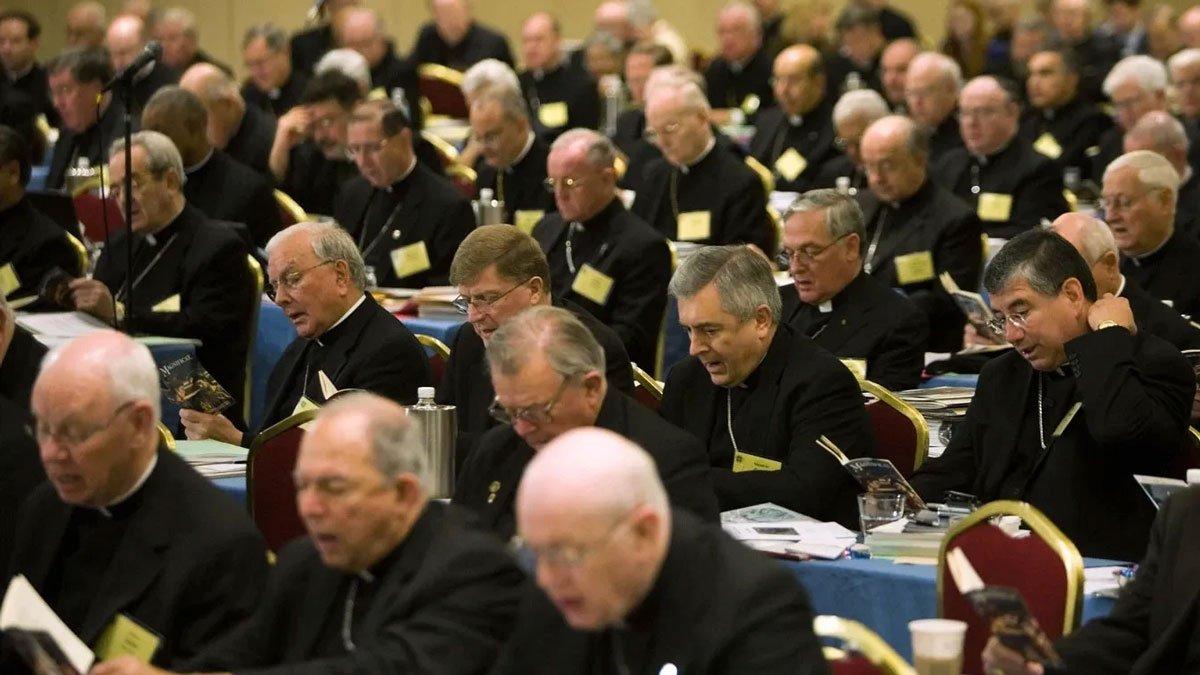
During a time of martyrdom, the Church grew. Over the past few decades, the Roman Catholic Church has erased from its number tens of millions of its flock. The mortal side of the Catholic Church has failed, in a catastrophic dimension, to end—or at least slow down—the hemorrhaging faithful.
Continue reading at Crisis Magazine