
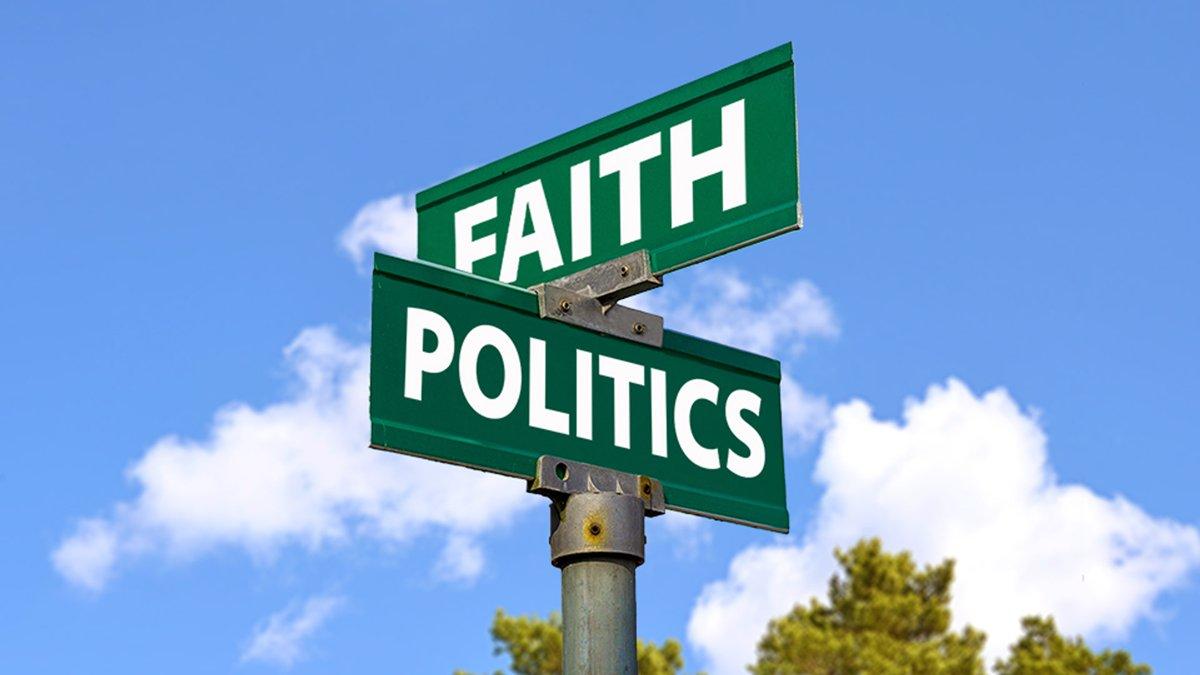
A reporter recently asked U.S. Secretary of State Marco Rubio, a practicing Catholic, how he reconciled the teachings of the Catholic Church with the Trump administration’s aggressive stance against illegal and mass migration. Rubio gave an interesting answer about the nature of mass migration, but he also insisted that “the pope is not a political figure.” This is the kind of answer that Catholic politicians who take the Faith seriously are wont to make, and I understand why Rubio and other Catholics in the administration, such as J.D. Vance, use it from time to time. There is just one problem with it: it is not true.
Politics is intrinsically moral, so it will always have something to do with religion. This ought to be obvious; but for many, it escapes them routinely. This does not mean that faith can be reduced to power conflicts or that political loyalties are a replacement for theology. What it means is you cannot avoid taking stances at certain times and places that are going to benefit one side in a conflict over another. To think otherwise is naïve, for neither in Church nor in State can we ever truly dispense with questions of power.
Admitting this publicly is difficult for faithful Catholics because we live mostly in secular liberal democracies, one of whose main tenets is that religion and political power are and ought to be separate. Having been raised to believe this, people are apt to misunderstand exactly how the Church is “political.” The Church is political on some particular issues because they are directly connected to central doctrines of the Faith—the immorality of abortion and sex outside marriage are obvious doctrines in this regard. On others, she is not because they involve technical questions of how some sort of political (that is, moral) goal should be achieved. This means her “positions” on issues will appear differently in different historical eras, in different countries.
Continue reading at Crisis Magazine