
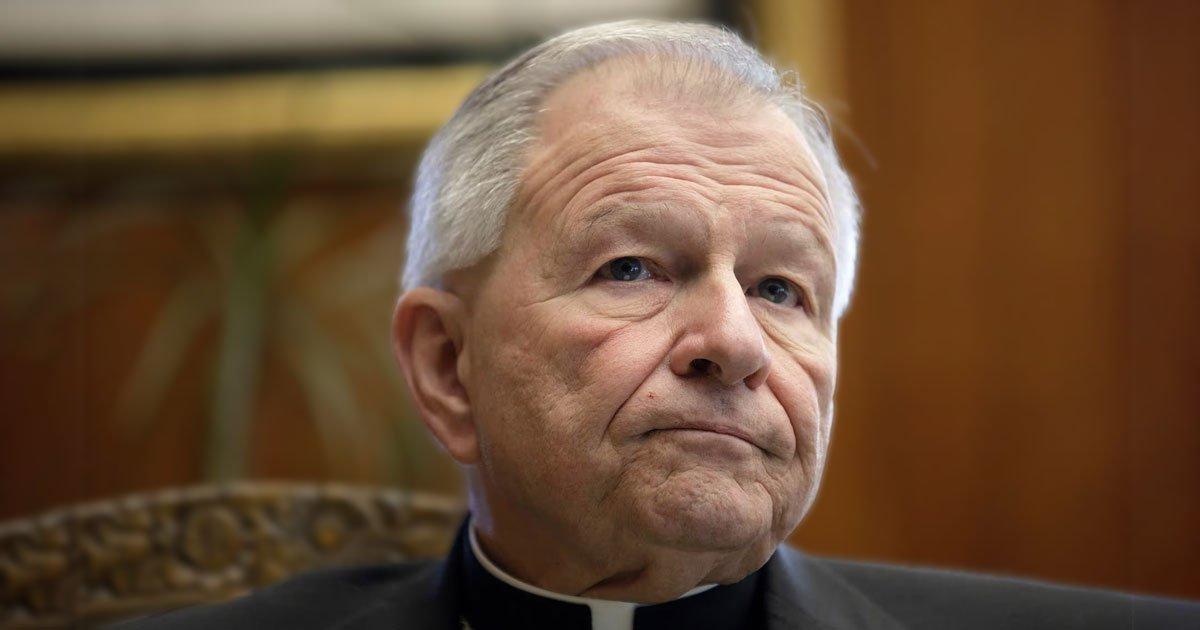
New Orleans archbishop denies knowledge of widespread child sex abuse in 1970s
The Roman Catholic archbishop of New Orleans has said the allegations at the heart of a child-sex trafficking investigation being conducted by state police against his archdiocese are a “sin”, “evil” and a crime – but he has insisted he was oblivious to them when they unfolded during a bygone era earlier in his career.
Gregory Aymond’s comments, in an interview published on Sunday by New Orleans’ Times-Picayune newspaper, were his first about an investigation which erupted into public view in April as Louisiana state troopers served the archdiocese’s headquarters with a search warrant that accused the institution of potentially having run a child-sex trafficking ring responsible for “widespread sexual abuse of minors dating back decades”.
RELATED: New Orleans Archdiocese agrees to release church abuse files as part of court settlement
A sworn statement attached to the warrant added that the institution – which filed for bankruptcy protection in 2020 when faced with dozens of lawsuits stemming from the decades-old clerical molestation crisis engulfing the global church – also purportedly covered up the abuse and failed to report it to law enforcement.
The inquiry which Aymond addressed in Sunday’s interview started in part after attorneys representing clergy abuse claimants seeking damages from the archdiocese provided a 48-page memorandum asserting that there was evidence of many of the allegations cited in April’s warrant within internal documents that the church was compelled to produce during the bankruptcy.
That memo recounted how Aymond “worked, socialized and/or lived with at least 48” clergymen accused in bankruptcy claims alleging child sexual abuse, starting in 1973 – when he became a teacher at a New Orleans high school primarily catering to boys interested in the priesthood – through 2000, which was his 14th and final year as the rector-president of the city’s Notre Dame seminary.
Continue reading at The Guardian