
Leo XIV has just confirmed that synodality remains in force and vigorous. He has done so through new notes addressed to bishops and synodal teams to prepare the diocesan assemblies of 2027. In case anyone doubted it, Rome continues to expand the synodal machinery.
But every expansion requires a space to occupy. And synodality needs a vacuum.
Like opportunistic infections that spread when a body’s defenses weaken, it only thrives where priestly authority has been undermined. A vigorous priesthood would be its worst enemy, because the assembly can only aspire to discern everything after the priest has been persuaded that he has hardly any say in decisions.
For what does the synodal operation consist of, if not in shifting the Church’s center of gravity? Behind all that listening and co-responsibility lies a transfer of authority from the priest to an organized community that ultimately determines the pastoral response. It is a new revolution (in reality the same one as always), and like all revolutions, it is sold from below while imposed from above.
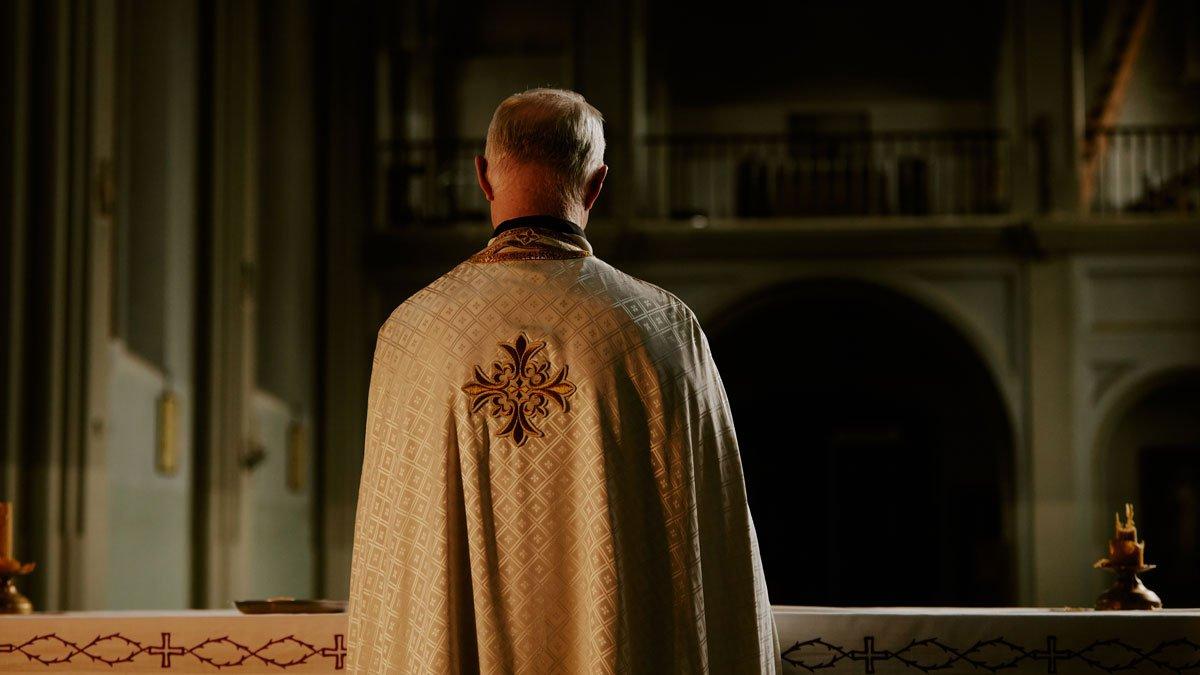
The priest is an obstacle to the triumph of synodality because his authority does not come from the community. He celebrates in persona Christi and leads the flock entrusted to him. Christ calls certain men, sets them apart, and confers on them an authority that the rest of the baptized do not possess. The priesthood can only be understood from the perspective of hierarchy, a key word that precisely means government of sacred origin.
If authority comes from Christ, the assembly cannot produce it; if that origin is forgotten, hierarchy degenerates into an organizational chart and the priest into a functionary.
To strengthen synodality, the priesthood must be weakened. The health of one and the other are inversely proportional. But however consecrated the Church may be to synodality, and however infiltrated it may be by Masons, Protestants, and charismatics, the goal of sacrificing the priesthood seems impossible today. Moreover, it is unnecessary: the synodal Church has sufficient tools to eliminate that obstacle without destroying it.
Continue reading at Infovaticana