
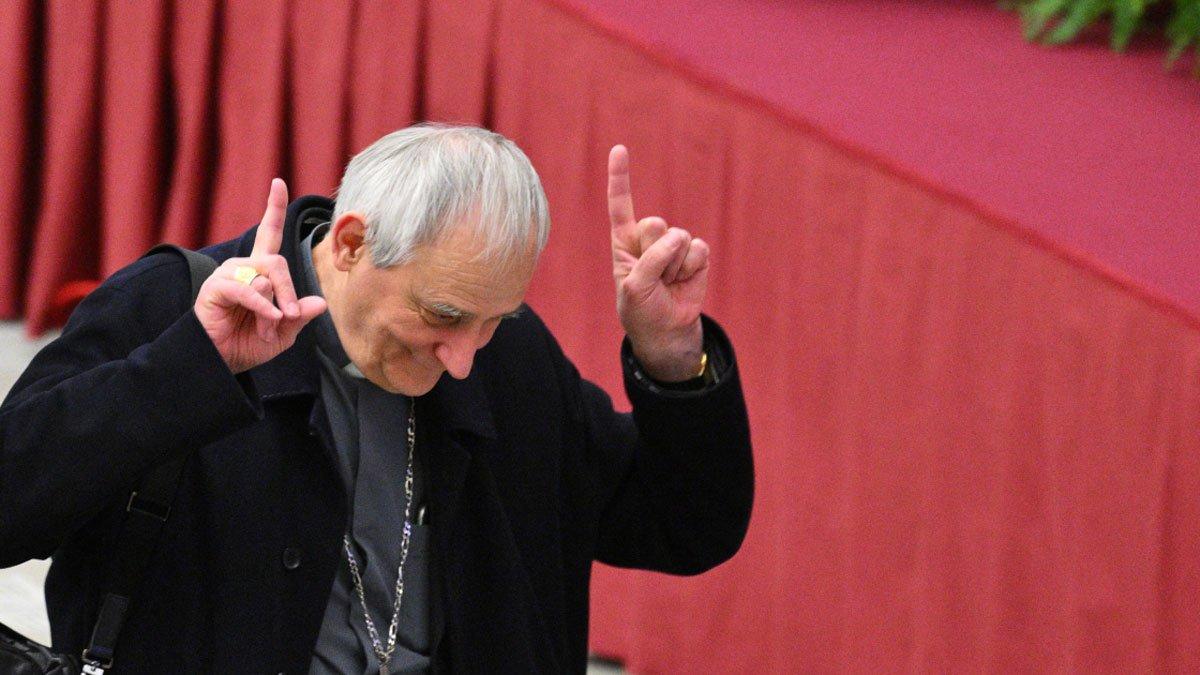
Senior representatives of the Church’s continental ecclesial bodies have gathered in Rome from June 23-25, 2026 for three days of meetings to assess progress in implementing the Synod on Synodality and to prepare for the forthcoming ecclesial assemblies scheduled for 2027 and 2028. The gathering, organised by the General Secretariat of the Synod, includes leaders from Latin America, Africa, Asia, Europe, Oceania, the Middle East and North America, together with coordinators of continental synodal teams.
The meeting takes place in the implementation phase following the conclusion of the XVI Ordinary General Assembly of the Synod of Bishops in October 2024. According to a press release issued by the General Secretariat on June 22, participants are studying “the principal developments in the implementation of the Final Document” of that assembly while exchanging regional experiences and identifying “common dynamics and issues requiring further shared reflection”. Particular attention is being given to accompanying local Churches and the role of communication in the process.
A document entitled Towards the Assemblies 2027-2028: Stages, criteria and tools for preparation is guiding the work. The final day of discussions will focus on the structure of the continental assemblies themselves, including questions of participation, representation and expected outcomes. The gathering concludes on the evening of June 25 with a private audience during which Pope Leo XIV is scheduled to engage in dialogue with the participants at the headquarters of the General Secretariat of the Synod.
The Synod on Synodality, launched by Pope Francis in 2021, has been presented as a process of listening and discernment aimed at fostering greater participation and co-responsibility across the Church. Critics, however, have long warned that its emphasis on “lived experience”, dialogue and structural change risks diluting doctrinal clarity and undermining the hierarchical nature of the Church. Traditional voices have pointed to parallel developments, such as the German Synodal Way, as evidence of how synodal processes can lead to pressures for alterations in teaching on sexuality, women’s ordination and governance.
Continue reading at the Catholic Herald