
Dear brothers and sisters in Christ,
As a successor of the Apostles, I have a solemn duty not only to preach the Gospel, but also to help the faithful discern the spirits of the age in the light of the unchanging truth entrusted to the Church by Our Lord Jesus Christ. St. Paul exhorted Timothy to “preach the word: be instant in season, out of season: reprove, entreat, rebuke in all patience and doctrine” (2 Tim. 4:2). That duty belongs to every bishop charged with guarding the deposit of faith.
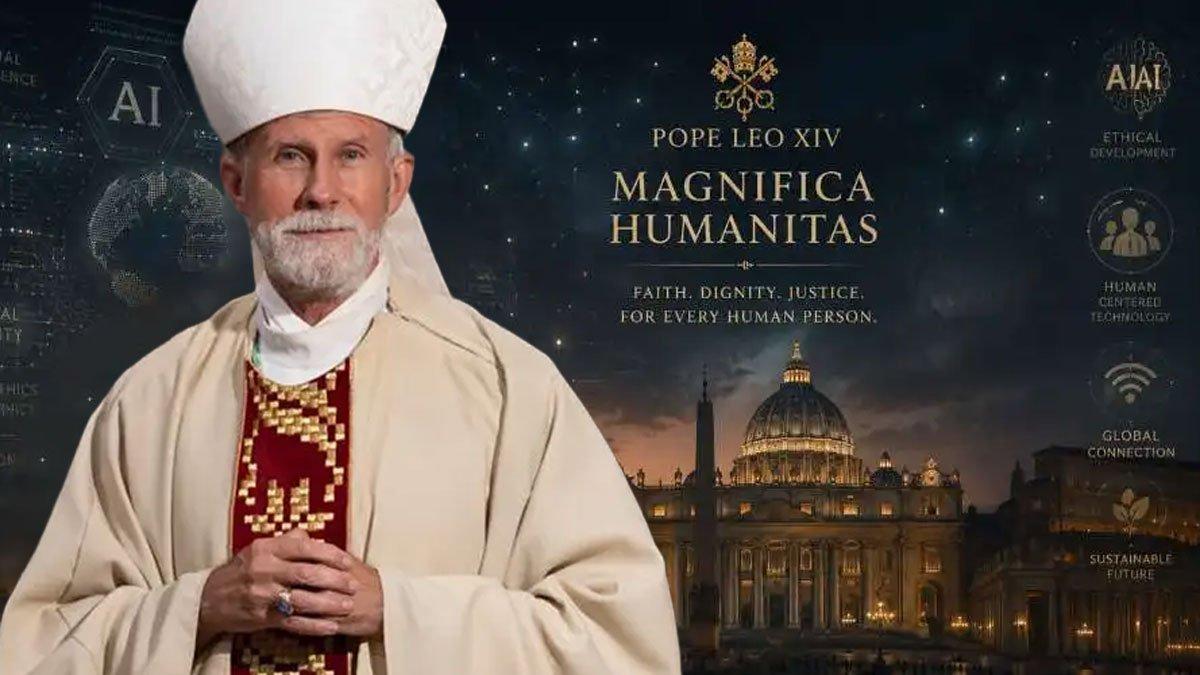
Therefore, I feel it is important to address concerns regarding the recently released Encyclical Letter, “Magnifica Humanitas,” of the Holy Father Leo XIV. Some have found parts of it insightful and compelling. Others have experienced a deep uneasiness while reading it – a concern that, beneath many true statements, the document reflects a broader theological shift that risks placing man at the center in a way that obscures the primacy of God.
Because these questions touch the heart of the Catholic faith itself, I believe it is necessary to offer a careful doctrinal reflection. This is not done in a spirit of hostility or rebellion, nor with any desire to sow confusion or division within the Church. Rather, true charity requires clarity. The faithful deserve shepherds who are willing to speak honestly when theological emphases or frameworks appear capable of leading souls into confusion.
The Church has always taught that every age must be judged in the light of Christ – not Christ reinterpreted through the lens of modern ideologies, but Christ as handed down through Sacred Scripture, Sacred Tradition, and the perennial Magisterium of the Church. Technology, artificial intelligence, and changing social realities certainly require thoughtful moral reflection. Yet no age, no crisis, and no technological revolution can alter the fundamental truths of the Catholic faith: that man is fallen through sin, redeemed only through Jesus Christ, called to repentance and sanctification, and destined not merely for earthly flourishing, but for eternal union with God.
It is with that concern for the salvation of souls and fidelity to the Catholic faith that I offer the following reflection.
Continue reading at Pillars of Faith