
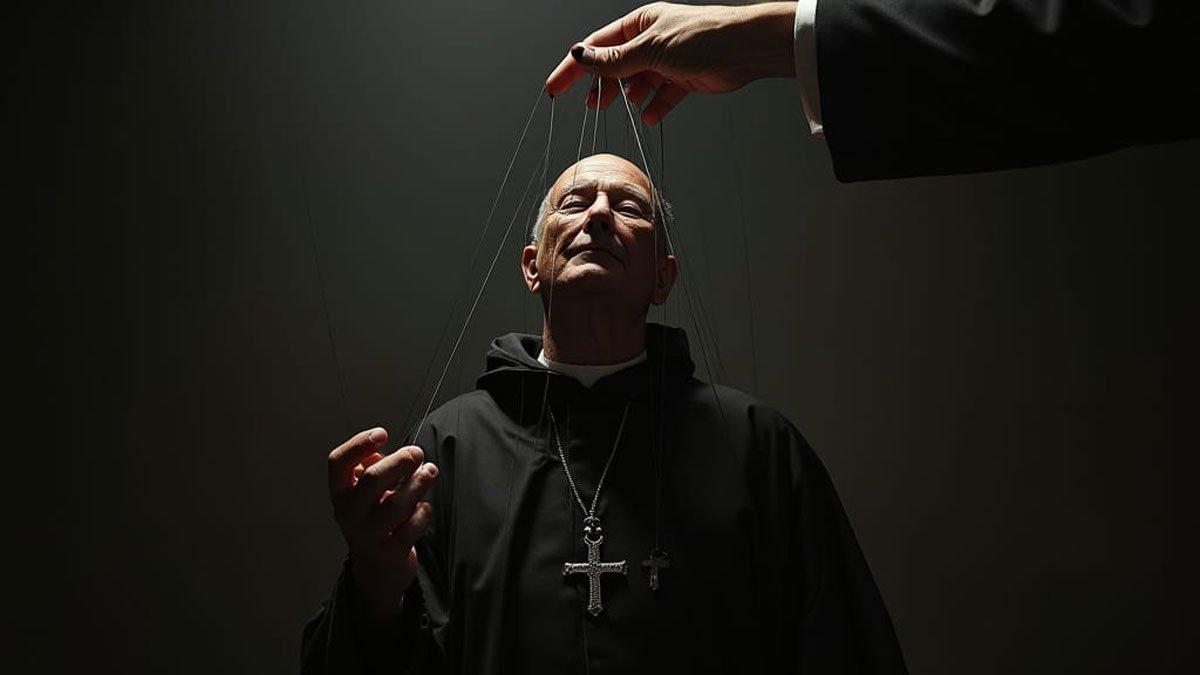
As the U.S. Catholic bishops meet in Baltimore this week and prepare to elect a new president of their conference, the organization is going through a major transition in its activities.
That transition, and how the bishops decide to address it, could shine a light on the type of leaders they will choose to guide the organization through the coming years.
At the root of this are the several different functions which the USCCB takes on as an organization.
As a consortium of America’s diocesan bishops, the conference is sometimes perceived to function as something between a mega-diocese and a mini-Vatican — though in reality it has decidedly less canonical authority than either of them.
In that sense, the conference sponsors spiritual initiatives like the National Eucharistic Revival, prepares catechetical materials, approves translations of the Mass, the Liturgy of the Hours, and the Bible for use in the U.S., and it issues documents and guidance on Catholic doctrine.
RELATED: Who Really Controls the Catholic Church in America: The Bishops or The Government?
Second, the conference acts as a supra-diocesan organization for administering Catholic charitable work, sponsoring a number of national collections which fund organizations such as the National Retirement Fund for Religious, Catholic Relief Services, Catholic Home Missions Appeal, Collection for the Church in Latin America, and Catholic Campaign for Human Development.
Finally, the conference functions as a clearing house for Catholic organizations which receive U.S. government contracts to provide charitable services to migrants and refugees. In recent years, this had grown to be the fiscally largest of the conference’s areas of activity, with government contracting revenue larger than all other sources of revenue for the USCCB in 2024.
But earlier this year all government contracts for the USCCB were canceled, zeroing out the largest piece of the conference budget.
While the conference is legally and ethically required to keep these three aspects of the organization separate, that significant change in overall scope and direction may weigh on the minds of bishops as they choose the conference’s new leadership.
What will a changing bishops’ conference look like?
Continue reading at The Pillar