
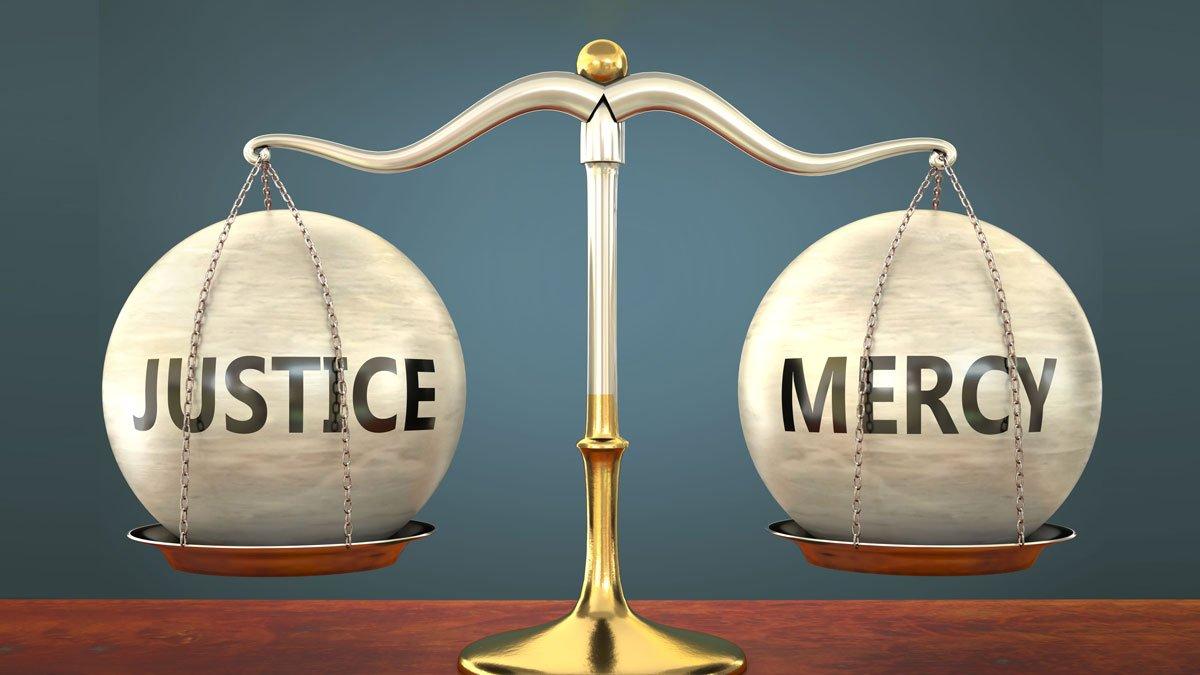
It exceeds my purpose to say what should be done about Charlie Kirk’s murderer. But when we are too casual about the conditions for mercy, we discredit both justice and mercy itself.
Sometimes we hope desperately that our predictions are wrong. Fourteen years ago, I suggested that it was only a matter of time before character assassination would be replaced by real assassination. That has happened in a big way. Although the political murder of conservative activist Charlie Kirk has been called by some a tipping point, there have been a lot of political killings and attempted killings. And no, there is not “equal wrong on both sides,” a fact that has the unfortunate result of making efforts to do justice seem partisan.
In a year I will retire from classroom teaching. Let me tell you where my students are these days. Though the number of moral relativists seems to have declined slightly in recent years, an alarming number now think it is righteous to riot, burn, and bully to advance their political causes. The idea that one must never do evil for a good result is a very hard sell. In a discussion of the Just War principle that noncombatants must not be deliberately targeted, I condemned the October 7 terrorists who raped, killed, and tortured the men, women, and children at a music festival. One student furiously told me that the music lovers “deserved it.”
The problem isn’t that we aren’t moral beings, but, in a way, that we are moral beings. Conscience demands justification for our acts. If we refuse to repent or repudiate acts of grave evil, then in order to justify them, we are compelled to invent ever more extreme rationalizations, which eventually demand new evils along the lines of their depraved premises. Just read the comments on BlueSky. Just listen to some of our politicians.
Continue reading at First Things