
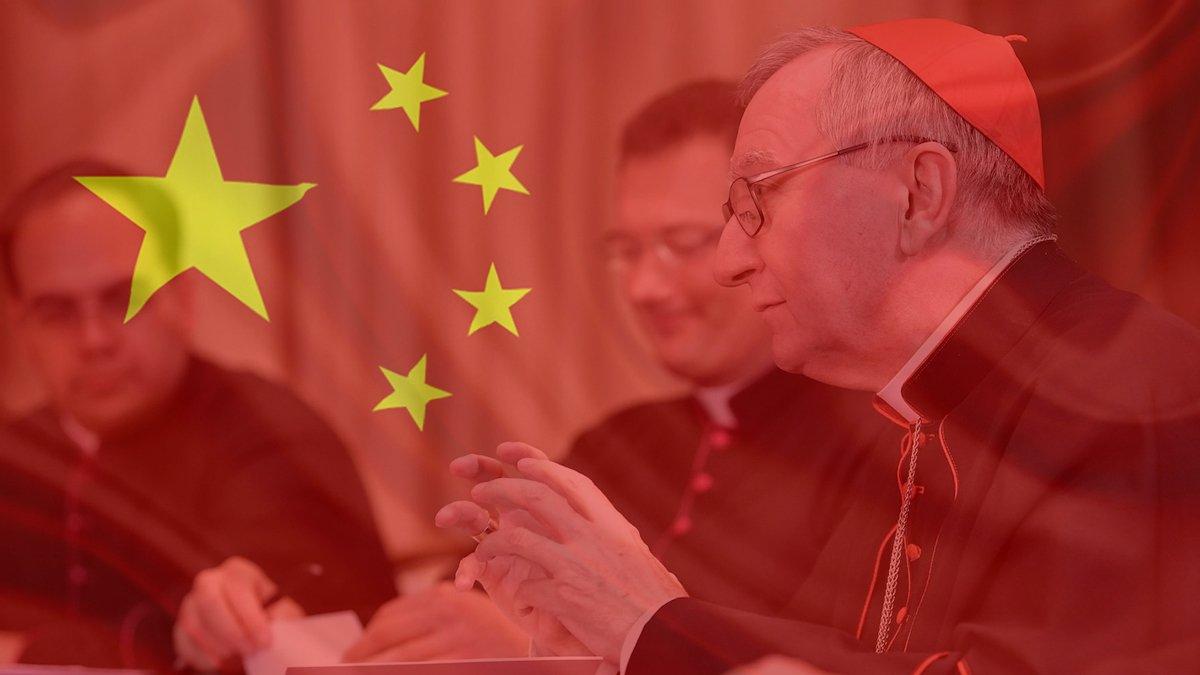
Reforming the Vatican’s policy on China should be a priority of the next papacy. The current approach is defined by the Vatican’s controversial 2018 agreement with China to share power with Beijing in the appointment of Catholic bishops. It severely compromises the Catholic Church in China and erodes papal religious and moral authority.
Vatican Secretary of State Pietro Cardinal Parolin is the architect of the China deal and its chief enthusiast. Beijing has not-so-subtly signaled that he is China’s top pick for the next pope. At a press conference on April 22—one day after Pope Francis’s death—Chinese Ministry of Foreign Affairs spokesman Guo Jiakun dangled the prospect of “improvement of China-Vatican relations” through “continued” partnership, and no one among the leading papal candidates has more experience working with China than Cardinal Parolin.
The deal endangers faithful clergy in China. A stark reminder of this reality came last month when the Chinese state security authorities indefinitely detained Bishop Peter Shao Zhumin of the Catholic diocese of Wenzhou without due process. This is the sixty-one-year-old underground prelate’s eighth detention over the last seven years.
At least ten Catholic bishops in China are presently in indefinite detention or otherwise restricted in their ministries for opposing government control over their church. The Vatican silently accepts and covers up this repression and, after the 2018 deal, has withdrawn its support from the underground church.
In addition to these sidelined bishops, there are those who died in the past seven years and left their seats vacant. The Vatican and China have only replaced about a dozen of them, leaving approximately thirty bishoprics empty. Nevertheless, the Vatican, like Beijing, insists that the deal is working, and renewed it last October for another four years.
China immediately began using the agreement to pressure bishops into joining the Chinese Catholic Patriotic Association, a group directed by the Chinese Communist party’s United Front Work Department. Members are required to make an anti-Catholic pledge of “independence” from the pope. No pope has recognized the association as legitimate.
Continue reading at First Things
Related Posts
- Pope Leo Approves Eighth Bishop Appointed By Communist China Government
- Chinese Underground Church Consecrated 10 Bishops Without Papal Mandate
- Leo XIV Approves Another Communist-Vetted Prelate
- Dialogue Leads to Crackdown: Beijing’s Useful Idiots
- FRUITS OF VATICAN/CHINA DEAL: Chinese Priests Distribute Communist Party Propaganda In Churches
- Leo XIV, Parolin, and China: A Silence That Grows After One Year of Pontificate
- Vatican’s China Deal AIDED Persecution Of Christians
- WATCH: Vatican SILENCE as Catholics Suffer in China
- The Silence That Speaks of Another Master
- WATCH: Will Pope Leo Fix The Broken Vatican-China Deal?
- Human Rights Watch Urges Pope Leo To Address Secretive China Deal
- WATCH: Why Pope Leo XIV Must End Agreement With The Chinese Communist Party
- Demicheli Interview With Viganò On The Bergoglio Papacy
- WATCH: Repeal The Deal With China!
- McCarrick’s Betrayal of Cardinal Zen, The Underground Church, and Traditional Catholic Principles Through Vatican-China Deal
- China Appoints New Bishops During ‘Sede Vacante,’ in Violation of Vatican Agreement
- Coalition Call on Catholic Leadership to Reveal and Repeal Odious Secret Vatican
- Chinese Priest Pens Urgent Open Letter to the Cardinal Electors
- Here’s What the Cardinals MUST DO to Cleanse the Church After Pope Francis’ Death
- China’s New Crackdown On Religious Liberty Proves Things Have Gotten Worse Since the China-Vatican Accord