
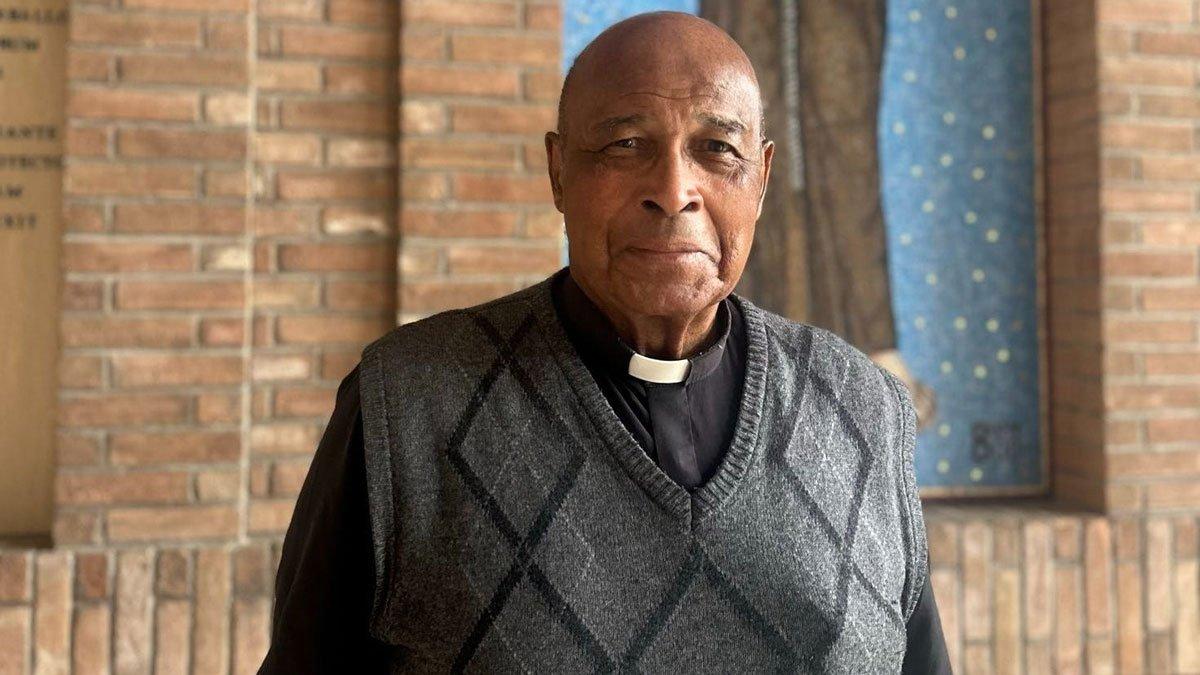
South African Cardinal Wilfrid Napier Fox of South Africa has led an interesting life.
Born in Swartberg, South Africa in 1941.
Ordained a priest in 1970, he became a bishop in 1980 and in 1992 he was named the Archbishop of Durban and was made a cardinal in 2001, participating in the conclaves of 2005 and 2013.
After arriving in Rome, he spoke to The Pillar about the legacy of Pope Francis, and what it is like to elect a pope.
Along the way, he also talked about cultural diversity and the role of women in the Church, Vatican financial reform, and how the cardinals should approach the conclave.
This interview has been edited for length and clarity.
What is the mood among the cardinals right now, following the death of Pope Francis?
Saturday morning was very special. Going and being able to stand in front of the coffin in St. Peter’s was the first of, I think, many gestures of farewell to him, at that spiritual, emotional level you could say.
Because I really found Pope Francis an inspiration in so many ways. Things that he did, you didn’t expect the results that would come out of them and yet, you’d see it afterward that this man had some insight — that he saw things, and reacted to it, and only later on do you realize why he did it and what the effect has been.
I think he was a very, very deeply spiritual person, but also a deep thinker as well. In many ways he was like John Paul. John Paul II was also a very, very deep thinker, but in Francis, you’d think because of all the action maybe, you didn’t think of him as that way immediately, but it certainly came out later on.
It sounds like it must have been quite emotional for you.
It was. I really was wishing that he would continue, but knowing that at 88 you’re not young. Unless you’re going to have a real miracle at 88, you’re not going to come out of a serious illness that he had.
He wasn’t going to sit around for two months, as the doctor said, he must convalesce for two months. At that age, two months is like two years, man. That’s a long, long time to try and recover.
But it was so lovely to see how he spent that last week out of hospital. And then what does he do? He goes to the prison and then comes out on Easter Sunday morning. And it was only when I heard next day that he had passed on, I said, “That was him saying goodbye to the rest of us.”
Continue reading at The Pillar