
A few years ago, I did a deep dive on my Church History podcast on the Council of Trent, the great reform council that responded to the Protestant Reformation in the 16th century. Trained as an academic historian, I often come to historical questions thinking in terms of processes rather than events, of impersonal influences rather than the actions of individual men. On reading through some of the literature on Trent, one question occupied my mind: How did the Church recover from both the Protestant attack and the corruption that in part gave rise to it? What formula, what set of ideas, what long-term forces enabled the Church to succeed? (Aside from God’s divine protection, of course.)
In reality, none of these abstract, impersonal causes mattered much. What allowed the Church to turn things around was simply this: from the 1530s onward, genuine reformers began to make their way into the papal curia and—by the 1560s, when the final sessions of Trent were held—into the episcopate. Men willing to make the changes necessary to reform the Church—on clerical formation (inventing the seminary), episcopal absenteeism (making sure bishops actually resided in their dioceses), and other ills, while reaffirming Catholic doctrine—came to power and made the necessary changes. That was pretty much it.
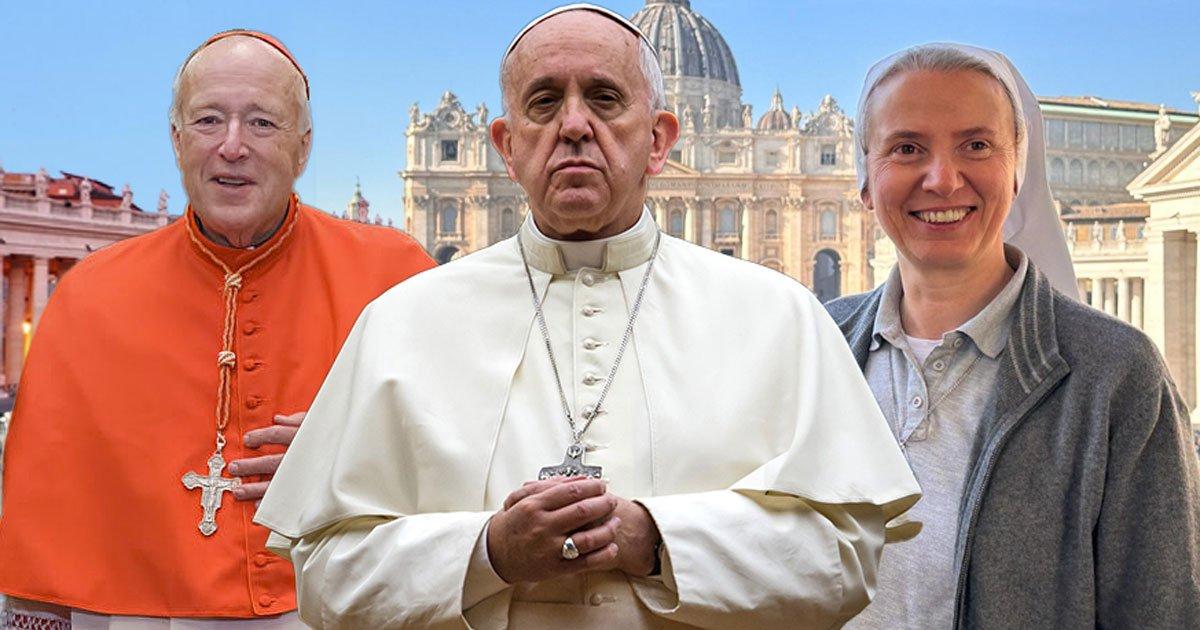
I mention these considerations because recent events bring them to mind—in particular, for American Catholics, two recent appointments that have left many shaking their heads. I refer to the recent appointment of Cardinal Robert McElroy of San Diego to the see of Washington, D.C., and the appointment of Sister Simona Brambilla to be prefect of the Dicastery for Religious in the Vatican. Both are noteworthy for the same familiar, depressing, and entirely predictable reasons.
Continue reading at the Stream