
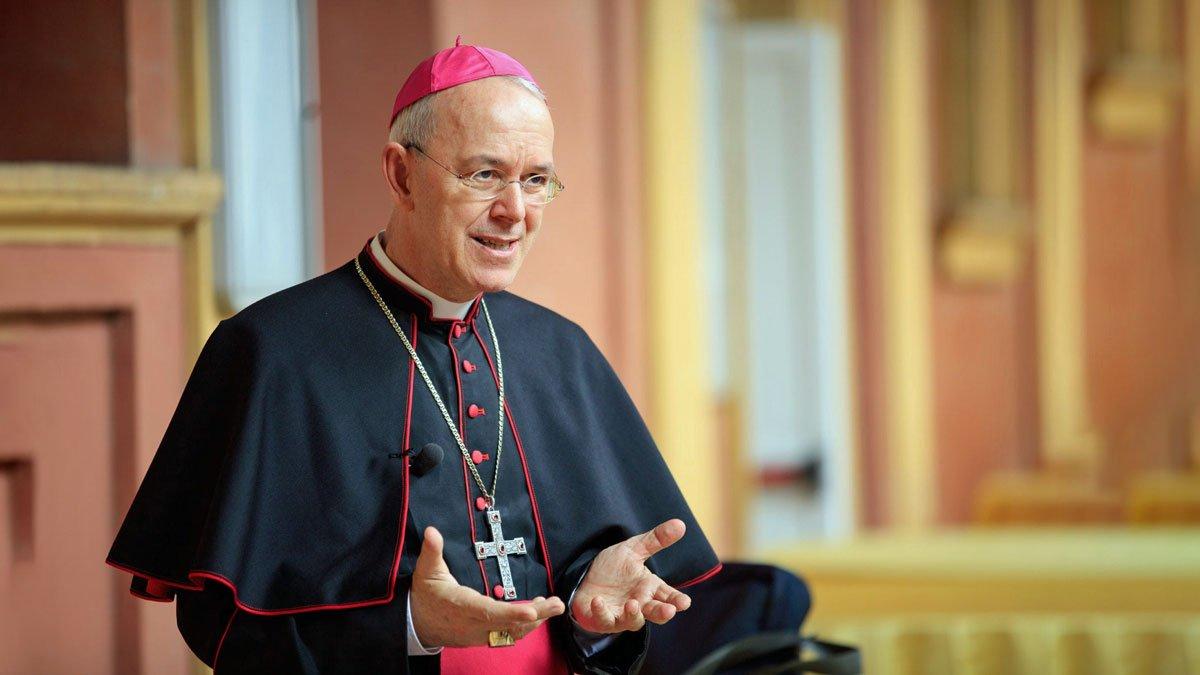
“At its core, the conflict revolves around the question of truth.”
With the Society of St. Pius X set to proceed with episcopal consecrations on July 1, Bishop Athanasius Schneider has published a new statement arguing that the controversy extends beyond questions of ecclesiastical discipline and reflects doctrinal and liturgical disputes that have persisted in the Catholic Church since the Second Vatican Council.
Titled The Core Question Regarding the Priestly Society of Saint Pius X and published in full below, the document is structured around five principal arguments and asks several key questions, including:
- Why is the SSPX’s unconditional acceptance of the texts of Vatican II being presented as a conditio sine qua non for full communion with the Holy See, while no comparable requirement exists with respect to the pastoral, disciplinary, or non-definitive teachings of the preceding twenty Ecumenical Councils?
- Why should reconciliation and patient dialogue be emphasized in the case of the German Bishops but not in the case of the SSPX?
Bishop Schneider said he is publishing this text because discussions of the Society of St. Pius X (SSPX) and the planned episcopal consecrations have largely remained on the surface, particularly among traditionally minded clergy and faithful, without addressing what he considers the fundamental issues involved.
He argues that the central question concerns doctrinal ambiguities stemming from the Second Vatican Council and their harmful and widespread effects in the life of the Church over the past sixty years, including the rise of doctrinal relativism. He also maintains that unresolved doctrinal ambiguities remain in the Novus Ordo Missae.
In his view, “legalism” and an “overly narrow understanding of fidelity to the Pope” have too often taken precedence over clarity in doctrine and worship. The Church, he argues, must recover the “primacy of truth and doctrinal clarity,” to which ecclesiastical law and the papacy itself “must be subordinated, as was the case throughout the history of the Church.”
The bishop is therefore calling for an honest debate on these questions and believes the SSPX can make a constructive contribution to the wider Church. He adds that such a contribution would be strengthened by a more pastoral approach from the Holy See, including the gradual integration of the Society into the normal life of the Church, potentially through the granting of an apostolic mandate for the episcopal consecrations scheduled for July 1.
Continue reading at Diane Montagna’s Substack