
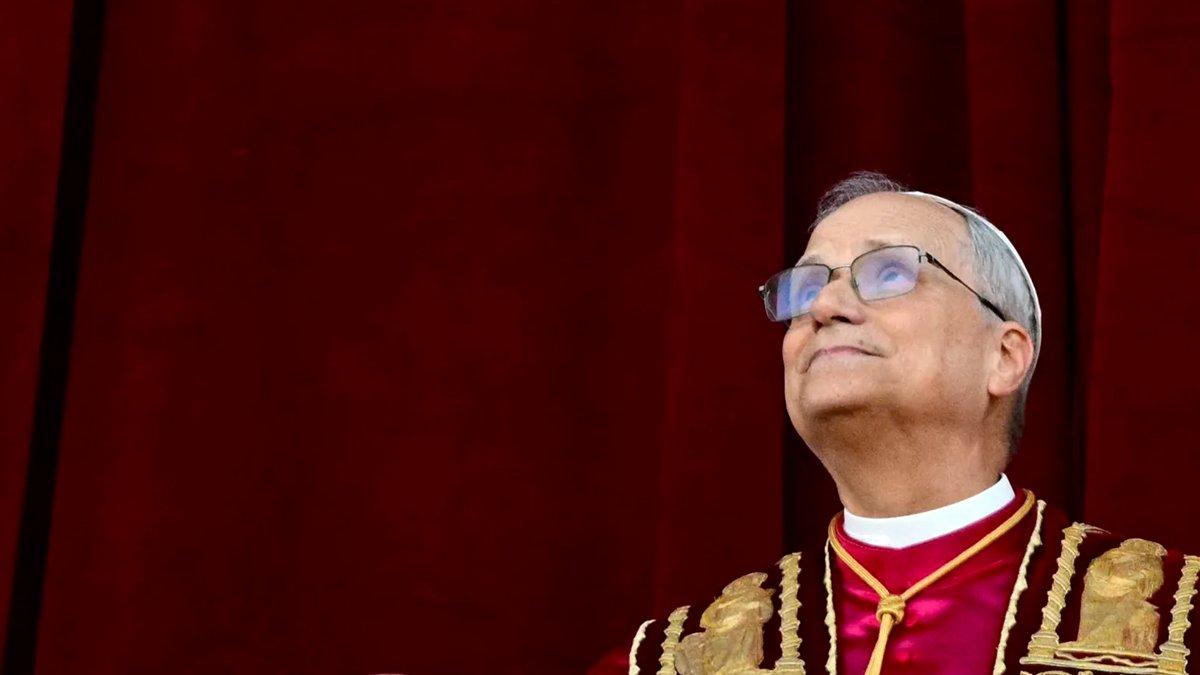
Pope Francis, who famously advocated “making a mess,” applied that maxim to his pontificate, making it highly disruptive, divisive and tumultuous.
The mess generated much understandable unease, consternation and, at times, disgust, especially as such a deliberate approach to governance has never been consistent with the Catholic faith, the common good, Divine Revelation, and the natural law.
However, the flipside was that, like stirring a pot, it brought plenty of what had lain hidden in the darkness to the surface.
And in so doing, it has the potential to equip the next pope with the information needed to set about rectifying, if he so wishes, the problems Francis’ pontificate exposed.
So what could be critical areas that the next pope needs to address? Here is a list of 10 possible priorities:
- Return to a Papacy as Source of Sound Doctrine and Unity
Although Pope Francis did much to try to bring the Church to the peripheries, the poor and the marginalized in an attempt to make her accessible to those who might not have given her a second glance, in doing so he often set aside doctrinal boundaries and canonical limits to papal power. He was also frequently criticized for departing from apostolic tradition, issuing statements that at least appeared to run contrary to established Church teaching — especially her moral teaching, and promoting indifferentism — the idea that all religions are valid paths to God. Together with a push towards synodality, in which uncatechized faithful had a significant say in a broad democratization of the Church, this led to doctrinal confusion in the Vatican and elsewhere, the Church in Germany being a prime example. Together with a failure to correct error and heresy, a trend that began before the Francis pontificate, the integrity of the faith has been undermined. An urgent priority for the next pope, therefore, will be to restore doctrinal clarity in faith and morals, good governance, and respect for canon law. Connected with this, the next pope will need to cease and root out the persecution and elimination of institutions, movements, bishops, clergy and laity who evidently bear good and ample fruits in terms of reverence, spiritual life, fidelity to Catholic doctrine, and vocations. He should allow any such persons or entities to grow and flourish rather than be cancelled — contrary to what often took place under Pope Francis where those who abused doctrine, moral teaching and the liturgy went unpunished and were allowed to thrive.
- Clarification of Vatican II, Reform of the Jesuits
Closely connected with the first critical issue is a need for the next pope to clear up ambiguities regarding the Second Vatican Council, or at least tackle this concern which has grown in recent years. The Council has long been interpreted in ways which many stress differ from those intended by the Council fathers, and this became especially apparent during Francis’ pontificate. The ambiguity has often been blamed on a lack of clarity in interpreting the teachings of the Council which have themselves often been criticized for not being clear enough. Part of this return to clarity of teaching could also entail some kind of reform of the Jesuit Order. In his Demos Memorandum, Cardinal George Pell called for such a reform given the prevailing heterodoxy in the Society of Jesus and catastrophic decline in terms of vocations to the Order. “The Jesuit charism and contribution have been and are so important to the Church that they should not be allowed to pass away into history undisturbed,” the memo said.
- Restore Traditional Papal Governance and Collegiality to the College of Bishops and Cardinals
Connected with papal power, the next pope will need to reassert greater collegiality with bishops and within the College of Cardinals. Due to a long-standing trend of centralization and overbearing bishops’ conference, the full realization of episcopal collegiality as envisioned by Vatican II has not taken place, and the autonomy and authority of bishops has been undermined. Regarding the College of Cardinals, in recent years and contrary to the stated wish for synodality, the majority of the cardinals with the exception of a few close aides, have been excluded from decision making, even though one of their principal roles is to act as advisers to the Pope. They also had few opportunities to meet because meetings of all cardinals during cardinal-making consistories were halted in 2014, also lessening the collegiality of the Sacred College. These factors led to a diminishment of the cardinals’ important role while excessive and unchecked power was placed in the hands of the Pope, contrary to the traditions of the past. This became so apparent under Pope Francis that observers said the papacy had become tyrannical with arbitrary exercises of power. The next pontiff will need to reaffirm what popes can and cannot do in accordance with apostolic tradition, and how much Magisterial weight should be placed on a pope’s various pronouncements — all significant topics of debate during Francis’ pontificate.
- More Reverence in the Liturgy
The divine liturgy is the “summit toward which the activity of the Church is directed” and the “font from which all her power flows,” said Sacrosanctum Concilium, the Second Vatican Council’s constitution on the liturgy. The liturgy also protects the Church against false teachings and inaccurate theology. Many, including Benedict XVI, have attributed today’s crisis in the Church largely to abuses of the liturgy that stemmed from the liturgical reforms of 1970, causing the Church to lose her Christocentric emphasis and replace it with a preference for entertainment that focuses on man rather than God. The next Pope will need to prioritize a return to more reverent worship by improving liturgical formation for both clergy and laity, prioritizing the supernatural (the purpose of the Church is supernatural), and emphasizing the First Commandment, the worship of God.
Continue reading at Edward Pentin Blog