
Back when ‘Diogenes’ was writing regularly for CatholicCulture, he made the point (in a private email, I’m sorry to say; not on this site) that when we say that an institution is thoroughly corrupt, we do not necessarily mean that the corruption extends to every member of the institution. I used his insight in a comment on corruption in the Catholic hierarchy:
In a corrupt police department—as seen in countless action movies—the problem is not simply that some cops take bribes from criminals. The problem is that honest cops cannot clean up the force, because whenever they report one venal colleague, they run into a superior who is also on the Mafia payroll, and will suppress the evidence. So the system rewards behavior that is at odds with the purposes of law enforcement. That sort of institutional corruption can be changed only by a thorough, dramatic, and probably painful house-cleaning.
Those thoughts on institutional corruption come to mind again as I read today’s CWN headline about the Diocese of Man in the Ivory Coast. Although I know nothing about the situation in that diocese, beyond what is contained in the reports to which CWN has linked in the past year, it seems fair to say that something is seriously wrong.
Let’s review.
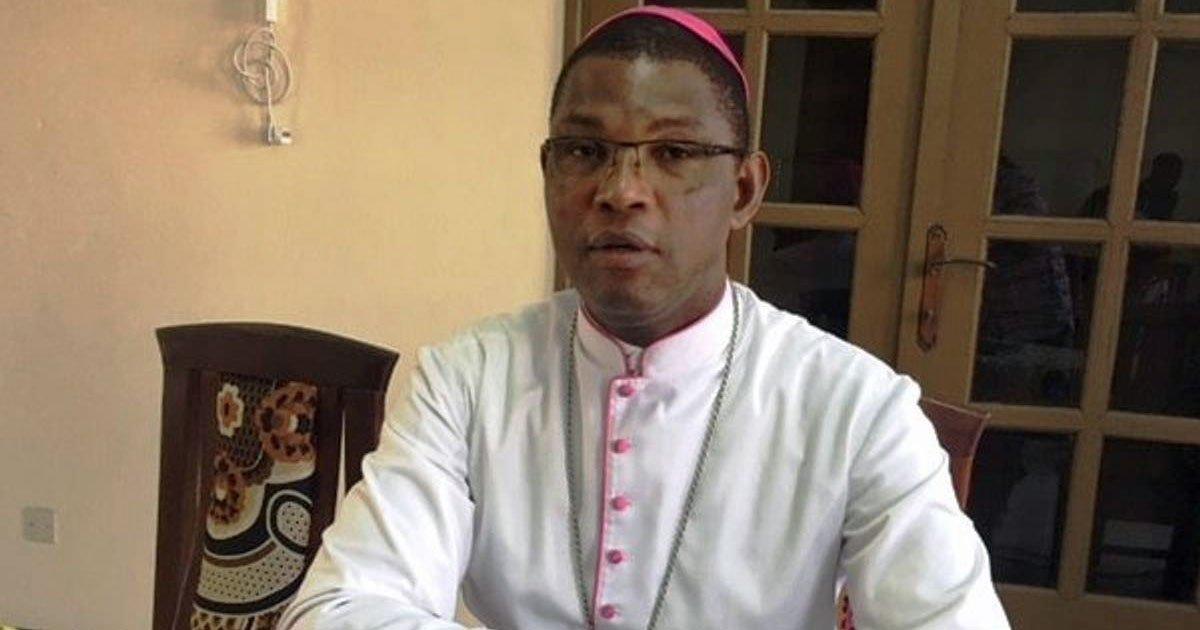
Almost exactly one year ago, Bishop Gaspard Béby Gneba issued a very strong statement denouncing sexual and financial corruption among the diocesan clergy. Evidently appalled by the number of priests who were living with concubines and often with the children they had sired, and supporting these families with church funds, the bishop demanded that these wayward priests resign from ministry. Then he raised the stakes:
Any lay faithful who knows that a priest is not faithful to his celibacy, has a wife or child, has committed sexual abuse or economic crimes, must have the courage to denounce him to the bishop, otherwise he commits a sin of complicity before God, the Pope and the Church.
In that statement last January, Bishop Gneba indicated that he was following the wishes of Pope Francis, who had called for “zero tolerance” of clerical misconduct. But did he really need that papal encouragement to root out the corruption? The Church’s discipline of clerical celibacy is not a new development, nor is the laws that prohibit the use of charitable donations for personal enrichment. Bishop Gneba had held office in Man since 2008. Had it really taken him fifteen years to recognize these problems?
Continue reading at Catholic Culture