
Something rather revealing happened this week in the continuing story of the waste of time and resources we know as the Synod on Synodality. Two interventions appeared which, when placed alongside one another, expose a question that has hovered over the synodal project almost from its beginning.
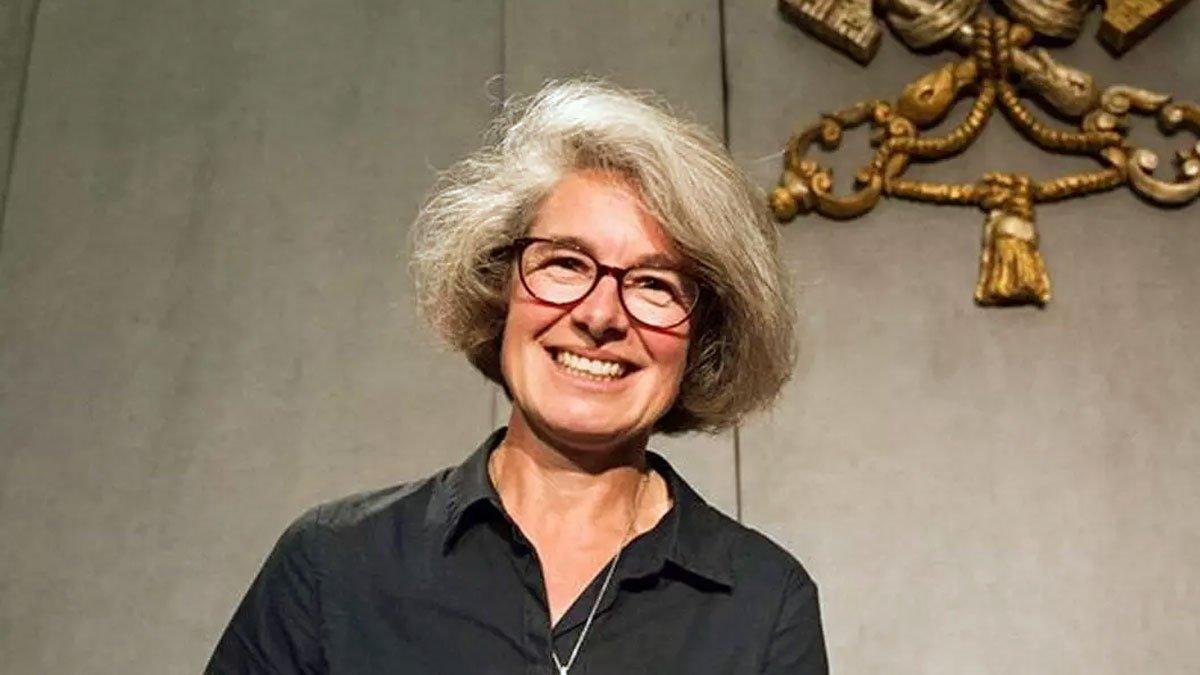
The first came from Sr Nathalie Becquart, Undersecretary of the General Secretariat of the Synod and one of the most prominent advocates of synodality in the universal Church. In a post published by the official Synod account, Becquart sought to clarify one of the most confusing elements of the whole project — what does synodality actually mean? She made the point that synodality is not simply another programme to be implemented, another ecclesiastical project imposed from above, but a way of being Church. It is about listening, discernment, participation and learning to walk together under the guidance of the Holy Spirit. This statement was promoted on social media by the Official Vatican account of the General Secretariat of the Synod.
I think the idea is to build an attractive theological intuition here: The Church is not a corporation and the Gospel is not a management strategy, Catholicism cannot be reduced to pastoral plans, diocesan initiatives, committees, working groups and documents. If this is what Becquart means when she resists the idea of synodality as a programme, then you could argue she is correct. The difficulty is that the institution for which she works has spent the last several years speaking explicitly about implementing synodality.
The General Secretariat itself describes the present period as the “implementation phase” of the Synod. There are pathways for implementation, synodal teams responsible for implementation, diocesan and national processes of implementation, evaluation assemblies and an ecclesial assembly planned for Rome in 2028. Becquart herself has previously spoken quite unambiguously about the need “to already implement synodality everywhere, at all levels of the Church”, while explaining that the Church is now engaged in “putting into practice the fruit of the Synod”.
Does this amount to a direct self-contradiction? Becquart perhaps might reasonably argue that synodality itself is a spiritual and ecclesial disposition while structures and processes are being implemented to enable the Church to live that disposition more fully. Yet this also creates a rather obvious question. If something possesses an implementation phase, implementation guidelines, implementation teams, an implementation timetable, evaluation procedures and a concluding international assembly, at what point are Catholics permitted to call it a programme?
Continue reading at Catholics Unscripted