
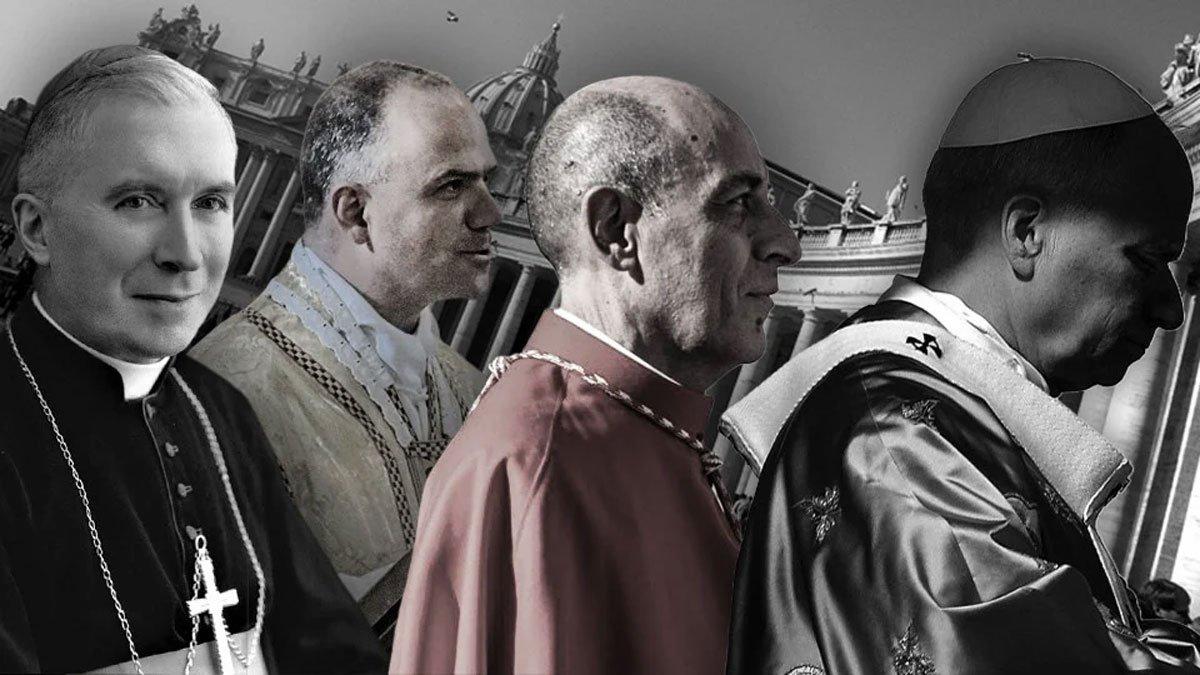
The crisis is no longer whether the Church has enemies. The crisis is whether Catholics will recognize them.
St. Pius X began his 1907 encyclical on Modernism, Pascendi Dominici Gregis, with a simple sentence that can help guide us in evaluating the crisis in the Catholic Church today:
“The office divinely committed to Us of feeding the Lord’s flock has especially this duty assigned to it by Christ, namely, to guard with the greatest vigilance the deposit of the faith delivered to the saints, rejecting the profane novelties of words and oppositions of knowledge falsely so called.”
This is a true and vital statement about the role of the pope in particular and the hierarchy in general. To the extent that the pope and hierarchy abandon this mandate, the members of the Mystical Body of Christ will be vulnerable to the assaults of the Church’s enemies.
Looking more deeply at the meaning of this first sentence from St. Pius X’s Pascendi, we can infer a definite idea about what God wants: He wants His flock to adhere to the deposit of faith and reject everything that could undermine that deposit of faith. Based on this, we can think of countless statements that would be absolutely incompatible with St. Pius X’s understanding, including these three:
- God wants us to think that the truths of the Catholic Church can evolve to contradict what they once were.
- God wants us to make peace with anti-Catholic errors for the sake of promoting Christian unity.
- God is pleased with the errors that lead His flock to stray from the immutable Catholic truth.
Some Catholics might question the reason for framing each of these three statements in terms of God’s will. And yet, it is of course very natural for Catholics to think about conflicts within the Mystical Body of Christ in terms of what God actually wants. Tragically, though, it seems that a profound indifference to what God wants for the Church is both a cause and symptom of the current crisis.
Continue reading at The Remnant