
Alex Begin is a veteran of the liturgy wars. For the better part of four decades in Michigan and Canada, he has been behind the most successful traditional Catholic movement the world over. Prior to last summer’s crackdown, the Archdiocese of Detroit was home to twenty-eight Latin Masses, and had so thoroughly impressed previous Archbishop Allen Vigneron that he sent the following laudatory reply to the infamous survey preceding Traditionis Custodes:
[The liberation of the Latin Mass] has given us a remarkably successful approach to resolving the contention that existed in the Church about the status of the Extraordinary Form. The discipline it has put in place is bearing much good fruit, especially in the lives of the faithful and in restoring ecclesial peace… By my lights Summorum Pontificum has been a remarkable success.
Mr. Begin has seen the TLM thrive in a variety of situations, dioceses, and countries. There is, however, one specific scenario that has portended trouble: the dying parish given a suddenly thriving Latin Mass.
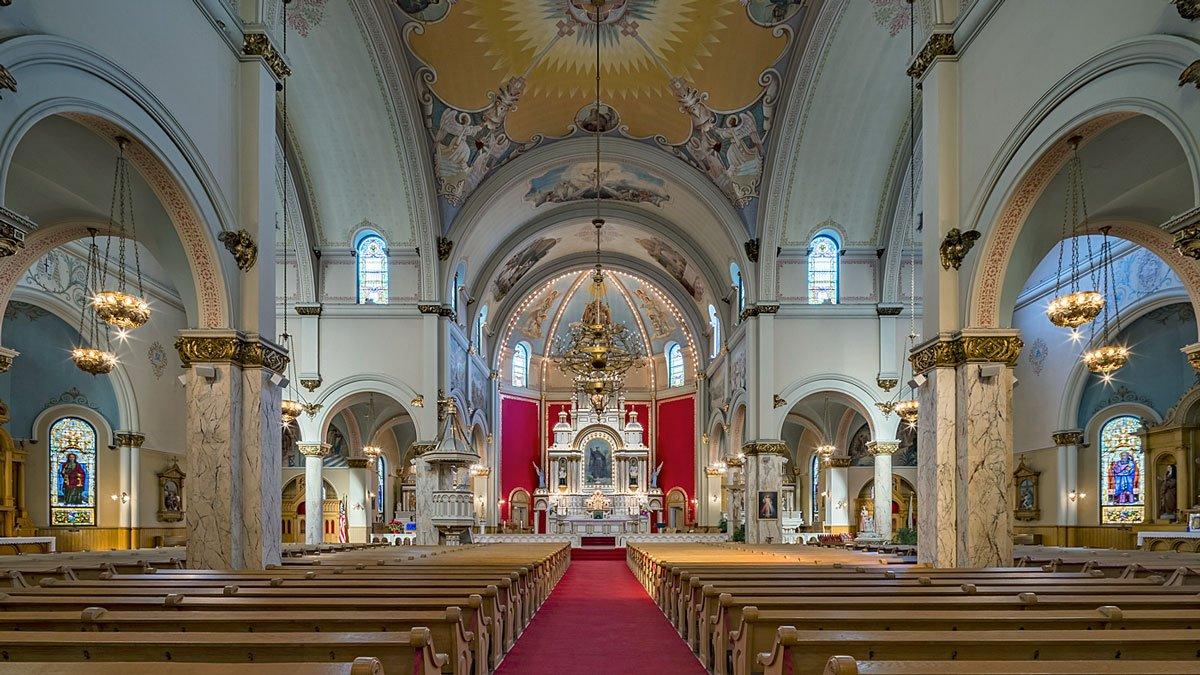
In 2004, a dying Detroit parish became the first to offer the TLM since 1970. The immediate success of the old liturgy, both in the quantity and youth of those attracted, sent shockwaves through the archdiocese. An obvious boon, the situation seemed beyond sensible critique, and within years, Latin Masses were getting started all over the archdiocese.
But in 2012, coinciding with the appointment of a new pastor, the “inner circle” of long-time parishioners began agitating against the ascendant TLM. They insisted that the TLM community hadn’t been giving enough “time, talent, and treasure” to the parish. When evidence was provided showing that the TLM community had brought in approximately two-thirds of the parish revenue, the inner circle demurred. “No matter what we did, no matter what we showed them, it was never enough,” Begin explains.
Continue reading at Catholic Culture