
There are moments in the life of the Church when a local dispute suddenly reveals a much deeper and more troubling fault line. What is unfolding in the Diocese of Charlotte is one such moment. On the surface, the issue concerns altar rails, kneeling for Holy Communion, ad orientem worship and the continued constriction of the Traditional Latin Mass. In reality, it exposes a crisis of episcopal authority, continuity and trust that reaches far beyond North Carolina and touches the whole Catholic Church.
Charlotte was not a diocese in need of rescue. It was widely regarded as stable, growing and unusually successful in transmitting Catholic identity to families, young people and converts. Vocations were healthy. Parishes were full. Reverent liturgy was not a niche interest but a lived reality across much of the diocese. That reality did not emerge accidentally. It was cultivated patiently under the leadership of Bishop Peter Jugis and in conscious continuity with the direction given to the Church by Pope Benedict XVI in Summorum Pontificum. The recovery of liturgical tradition, far from being a retreat into nostalgia, became a source of evangelisation and ecclesial confidence.
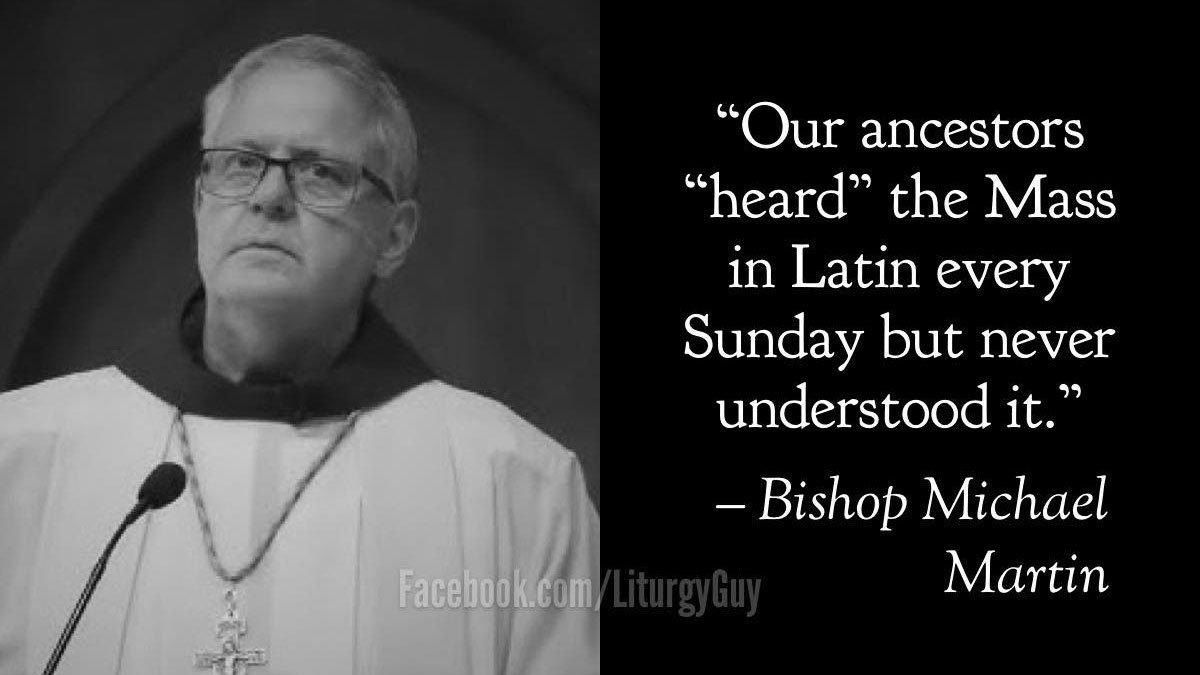
Into this context came Bishop Michael Martin, newly appointed and almost immediately determined to impose a radically different liturgical direction. Restrictions were announced that went well beyond the regulation of the Traditional Latin Mass. Altar rails and kneelers for Holy Communion were prohibited. Ad orientem celebration was discouraged or forbidden. Practices that had fostered devotion and reverence were treated not as legitimate expressions of Catholic worship but as problems to be corrected. The speed and scope of these changes communicated something unmistakable to clergy and laity alike: what had flourished here was now suspect.
Continue reading at Catholic Unscripted
Related Posts
- Martin Knew Leo Wouldn’t Stop Him
- WATCH: Why the Liturgy Was Changed, and What We Lost
- On Small Laws
- When a Bishop Forbids Kneeling
- Lay Catholics React To First Sunday After Bishop’s Altar Rail Ban
- Charlotte Priests Submit Dubia to Vatican over Liturgical Changes
- What’s the Top Priority in the Diocese of Charlotte? Eradicate Altar Rails
- The War on Reverence: Kneeling Is Now Considered Rebellion
- Bishop Martin Bans Altar Rails, While 75% of Seminarians Come From Parishes With Altar Rails
- The Devil Went Down to Charlotte . . . And He Is a Leo Plant
- WATCH: Trailer For New Film Regarding The Charlotte Latin Mass Controversy
- Catholics Kneel to Receive Communion on Tongue at Mass with Charlotte Bishop
- Fr. Perricone: Looking Backward in the Diocese of Charlotte
- WATCH: Charlotte Insider Shares What’s Happening in the Diocese
- The War on Reverence by Bishop Martin
- Charlotte’s War on Reverence
- Charlotte Bishop Delays TLM Restrictions After Major Backlash
- WATCH: Dr. Peter Kwasniewski and Raymond Arroyo Discuss The TLM Controversy
- WATCH: The Prayerful Posse Weighs-In On The Charlotte Liturgy Controversy
- The Ghost of Pope Francis Haunts Charlotte