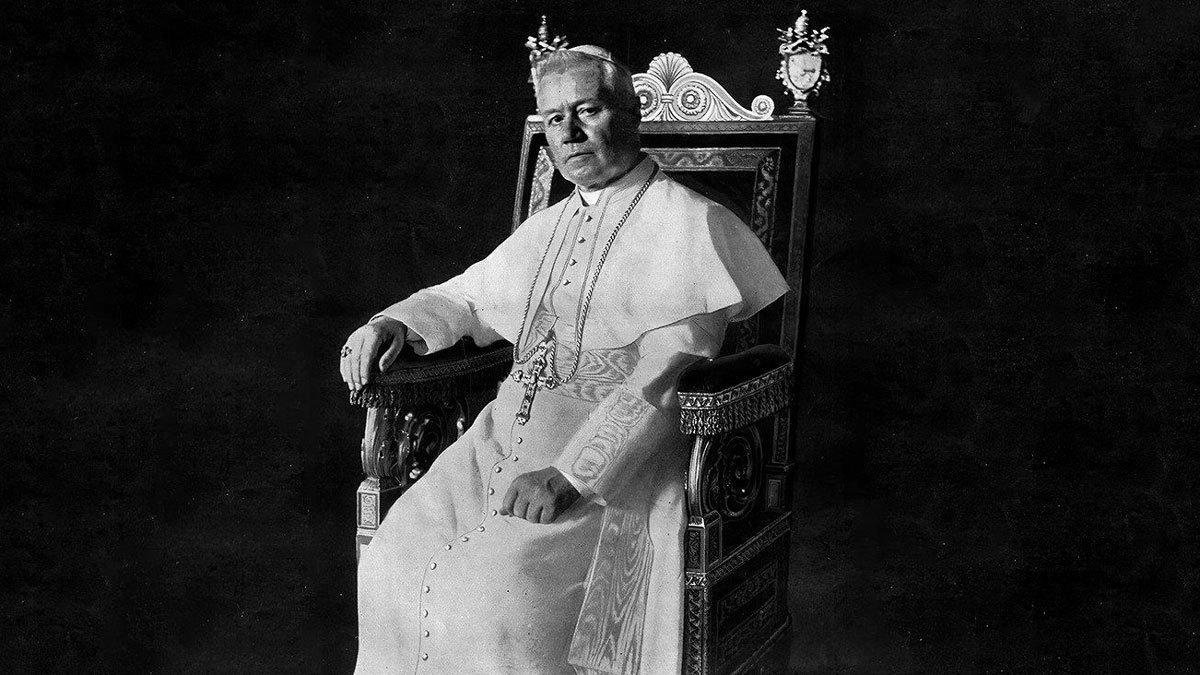
Pascendi Dominici Gregis (“Feeding the Lord’s Flock”), the encyclical of Pope Pius X dated 8 September 1907, is a systematic condemnation of Modernism as “the synthesis of all heresies.” Addressed to the world’s bishops, it argues that the gravest danger to the faith now comes from within the Church itself—especially from clergy and educated laity who cloak rationalist and immanentist errors in Catholic language. Pius X traces the system from its philosophical roots in agnosticism and “vital immanence” (religion reduced to an interior sentiment arising from a subconscious need of the divine) through its consequences for dogma, Scripture, history, theology, and Church authority: doctrines become evolving expressions of religious feeling rather than unchanging revealed truth; Christ is stripped of His divinity and miracles; the Church’s magisterium is subordinated to the “religious consciousness” of the age. After assembling these scattered opinions into one coherent whole, the Pope prescribes concrete remedies—Thomistic philosophy in seminaries, stricter censorship, episcopal vigilance, and the Oath against Modernism that would follow—so that the deposit of faith may be guarded against what he judged an organized attempt to dissolve Catholic doctrine from the inside.