
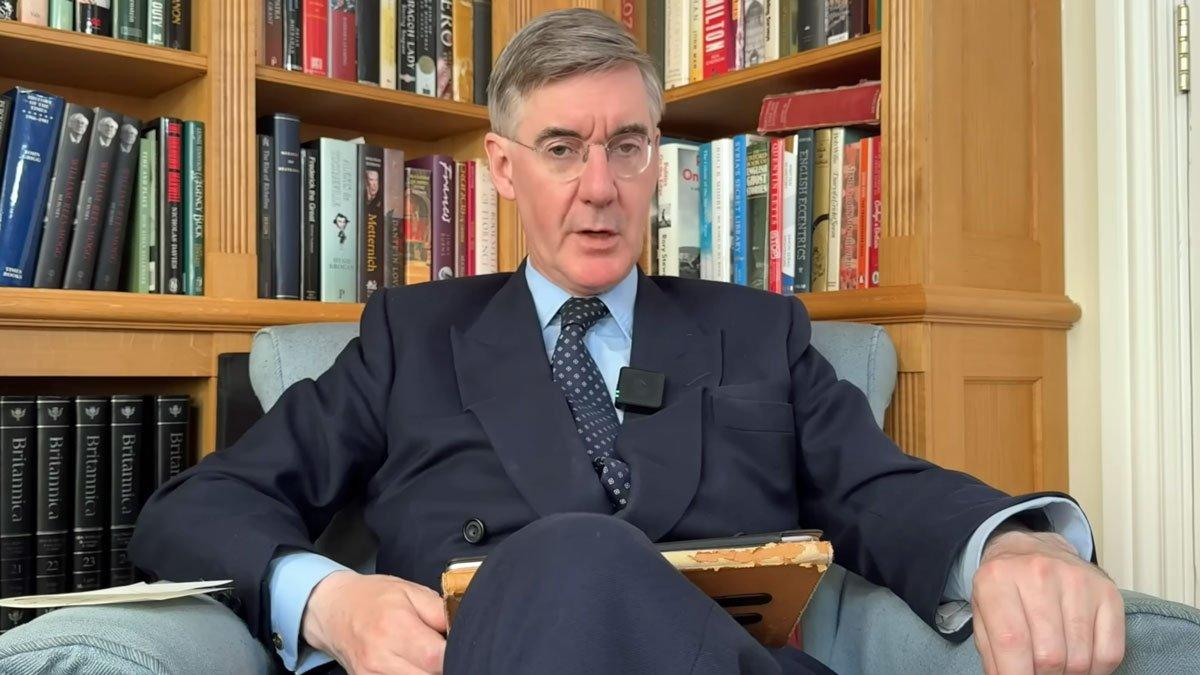
We will simply state our thesis—post-Conciliar “conservatism” is structurally incapable of ending the crisis because its very identity depends upon preserving the Conciliar settlement while appearing to resist its consequences. By repeatedly displacing judgment from the object to authority, intention, permission, and appearance, it has helped produce a deeper crisis in thinking—an increasing inability of the intellect to conform itself to reality.
It is important to identify reality—post-Conciliar “conservatism” is not truly a midpoint between liberalism and Tradition. It is the mechanism by which liberal premises are dressed in Catholic vocabulary, restrained by juridical authority, softened by orthodox fragments, and presented as continuity—a structure visible in many supposedly “conservative” cardinals, whose criticisms of particular consequences are repeatedly prevented from governing their judgment of the Council and the post-Conciliar settlement itself. Indeed, Vatican II is their almost singularly cited text—especially in the case of one particular German cardinal—as though every judgment concerning the crisis had first to be premised upon authority and presumed soundness of this deeply
controversial and revolutionary Council, which has remained the object of division and dispute.
But “conservatives” tend to concede enough truth to gain the sympathy of Catholics who recognize the crisis—but refuse to permit those concessions to govern the conclusion. That is why it is more dangerous than open liberalism—because while open liberalism exposes itself, “conservatism” obscures and conceals what it is, inhibits judgment, and trains Catholics to inhabit contradiction. This has long-term consequences for the intellectual faculties and, ultimately, for souls.
This is the first essay in a series that seeks to unveil the structure of post-Conciliar “conservatism”.
Continue reading at The Pursuit of Truth in La La Land