
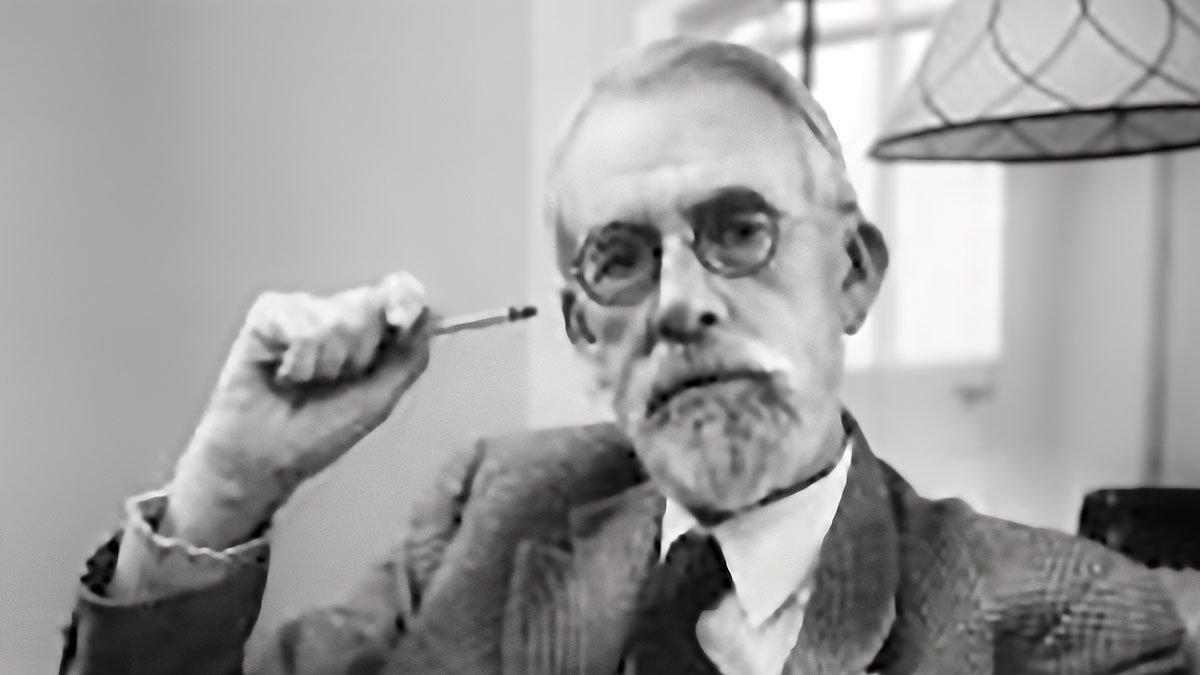
Christopher Dawson (1889-1970), Catholic convert and eminent historian of culture, despised the tripartite division of both secular and ecclesiastical history into early, medieval, and modern periods. For the Church’s history, by his erudite reckoning, there are six ages, each lasting three or four centuries. “Each of them begins, and end, in crisis,” he writes in one of his final books, The Historic Reality of Christian Culture.
From the crisis point, each age, except the first, spanning from Pentecost to Constantine’s conversion, passes through three phases of growth and then decay: intense spiritual activity and birth of new apostolates, achievements in the Church and in culture, assaults from enemies inside and outside the Church that depreciate or destroy these achievements.
If you are curious about the six ages, I encourage you to read this short book, included in its entirety in a wonderful volume of Dawson essays edited by the late TCT contributor Gerald Russello. For now, Dawson’s sixth age, which began with the crisis of the French Revolution and continued at the time of his writing, is worthy of special attention.
Dawson describes the post-Revolution years as “an atmosphere of defeat and disaster:”
Everything had to be rebuilt from the foundations. The religious orders and the monasteries, the Catholic universities and colleges and, not least, the foreign missions had all been destroyed or reduced to poverty and impotence. Worst of all, the Church was still associated with the unpopular cause of the political reaction and the tradition of the ancien régime.
Does this sound familiar?
Continue reading at The Catholic Thing