
“There is not, and there never was on this earth, a work of human policy so well deserving of examination as the Roman Catholic Church.”
So wrote Lord Macaulay in the October 1840 issue of the Edinburgh Review when discussing von Ranke’s History of the Popes.
Macaulay went on to say: “The history of that Church joins together the two great ages of human civilisation. No other institution is left standing which carries the mind back to the times when the smoke of sacrifice rose from the Pantheon.
“The proudest royal houses are but of yesterday, when compared with the line of the Supreme Pontiffs … She was great and respected before the Saxon had set foot on Britain, before the Frank had passed the Rhine, when Grecian eloquence still flourished in Antioch, when idols were still worshipped in the temple of Mecca.
“And she may still exist in undiminished vigour when some traveller from New Zealand shall, in the midst of a vast solitude, take his stand on a broken arch of London Bridge to sketch the ruins of St. Paul’s.”
If a great liberal (Whig) enemy of the papacy such as Macauley can recognise the magisterial significance of the papacy and, by implication, of papal elections and inaugurations, then so should we.
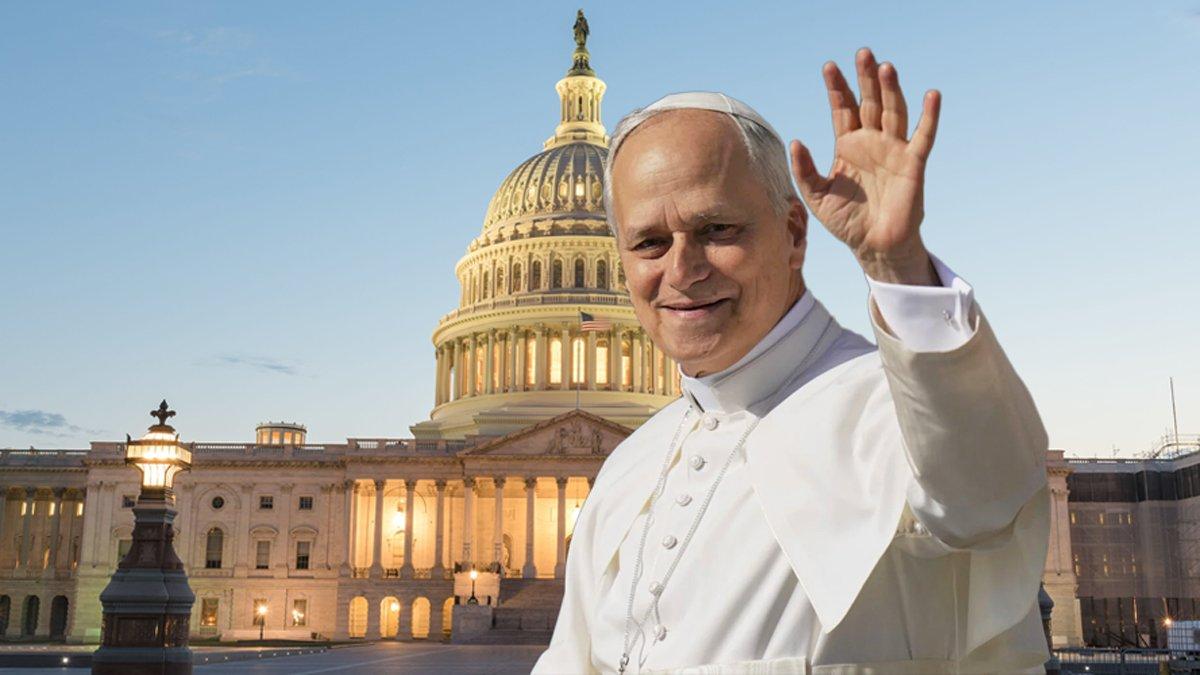
The papal name chosen by the American, Robert Prevost, who was inaugurated this Sunday as Pope Leo XIV, has attracted much commentary. In referencing Leo XIII the Pope has focused attention on that “pope of encyclicals”, and it is worth reflecting on some elements of the teaching of that great pope which bear emphasis in our current predicament.
One of liberalism’s central emblems is “reason”. Yet the Enlightenment view of “reason” is a truncated one at best, skeptical of the metaphysics of the scholastics. Pope Leo XIII, facing a troubled and disunited world in 1878, pronounced in his first encyclical Inscrutabili that the problems of the world were based on “the widespread subversion of primary truths” and reaffirmed the papal commitment to both reason and Revelation.
The world was in turmoil and disunity because of this subversion and Pope Leo XIII saw it as his role to affirm that humble confidence in human reason which was being rejected or distorted by worldly forces.
To this end, his encyclical Aeterni Patris (1879) joltingly announced that the philosophy of St Thomas Aquinas was the truest philosophy of the modern age and that this greatest of medieval minds had more to teach the modern world than any other. In so doing he affirmed even more clearly the Church’s confidence that man is a rational creature capable of knowing reality and therefore of knowing God. The Middle Ages had a great deal to teach the skeptical and fractious modern world.
Continue reading at the Catholic Herald