
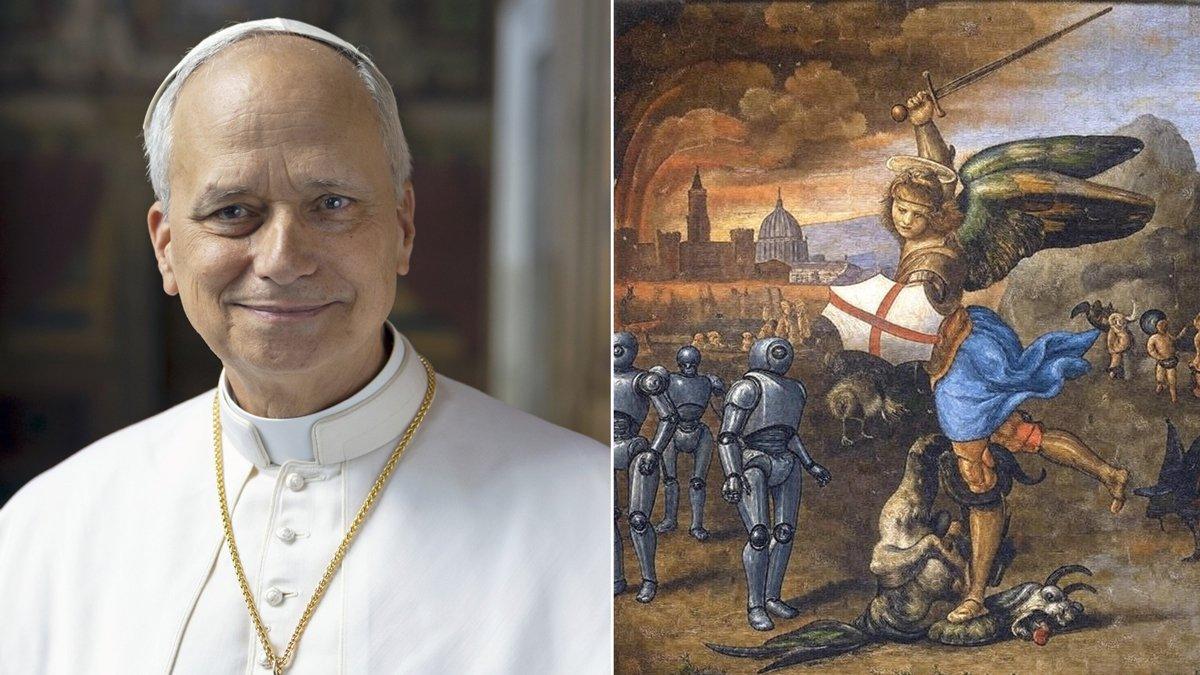
In choosing the name Leo XIV, the new pope may be signaling that he is prepared to carry on the battle that Leo XIII waged—not with weapons of this world but with the power of truth, prayer, and a deep awareness of the spiritual struggle that undergirds every age.
On May 8, 2025, the world witnessed the beginning of a new chapter in the life of the Catholic Church as former Cardinal Robert Francis Prevost took the name Pope Leo XIV to begin the 267th pontificate in the unbroken line of successors to St. Peter. With the eyes of the faithful and the curiosity of the secular world fixed upon the Vatican, many are wondering what the new pope’s choice of name might reveal about the tone and direction of his papacy.
Names matter—especially papal names. They are never chosen lightly. A pope’s chosen name often signals continuity, inspiration, or a theological and pastoral roadmap for the years ahead. For instance, the name “Leo,” meaning “lion” in Latin, has been associated with strength and leadership in the papacy. This could be one signal toward the Holy Father’s intentions toward strong leadership.
Pope Leo XIV recently shared the inspiration behind his chosen papal name, citing the influential encyclical from his predecessor Pope Leo XIII (1878-1903), Rerum Novarum, which championed workers’ rights, just wages, and critiqued the flawed ideologies of socialism and communism. He drew attention to the clear parallels between the upheaval of the first Industrial Revolution and the disruptions brought about by today’s rapidly evolving technologies, particularly artificial intelligence. By aligning himself with the legacy of Pope Leo XIII, who boldly addressed the social challenges of his era, Pope Leo XIV signaled his commitment to engaging the moral and societal dilemmas of the digital age.
Pope Leo XIII is remembered not only for his robust theological output and diplomatic skill but especially for his spiritual insight and prophetic warnings. Perhaps most famously, he is known for composing the powerful Prayer to St. Michael the Archangel, a prayer that continues to be said after Low Masses throughout the world. The backstory to this prayer is both dramatic and instructive.
Continue reading at Crisis Magazine