
This week, with the publication of his new book, Pope Francis has added one important link to the chain of evidence regarding the fight against Vatican corruption.
In April 2012, Pope Benedict created a special commission of three senior cardinals (Herranz, Tomko, and DeGiorgi) to investigate the nasty Vatican infighting that had resulted in the leaking of confidential documents that was quickly dubbed the “Vatileaks” scandal. The cardinals submitted their report to Pope Benedict in July of that year. Their conclusions were never made public, but according to rumors that circulated freely at the time, they had gone beyond the question of leaked documents to identify sources of trouble within the Roman Curia, including the presence of an influential “lavender mafia.”
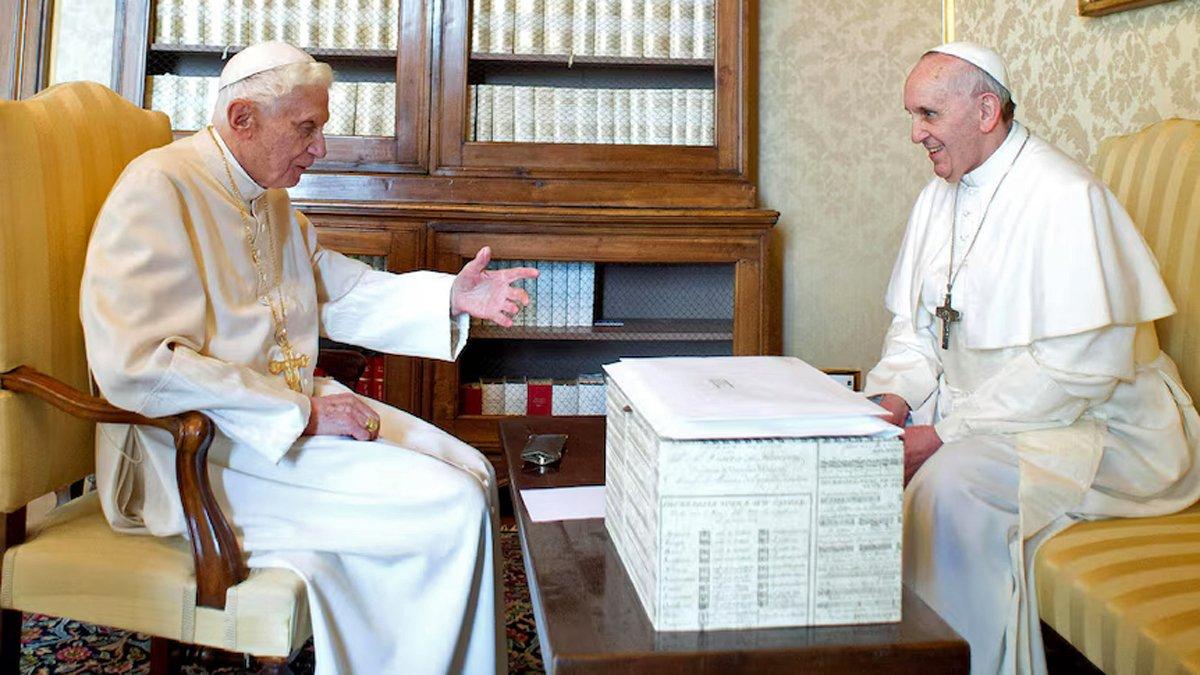
One fact about the cardinals’ report did become public knowledge, however. It was huge: a thick dossier. And the three cardinals evidently continued their research, even after delivering their report. They met with Pope Benedict again in December 2012 to discuss the implications of what they had reported.
Two months later Pope Benedict announced his plan to resign. He said at the time, and continued to insist later, that his resignation was prompted primarily by his declining strength; the effects of old age, aggravated by persistent insomnia, left him incapable of doing the work that he considered necessary. But some Vatican-watchers, reading between the lines of the Pope’s announcement, wondered whether there was a deeper reason for this decision. Had Benedict concluded that only a younger, more energetic Pontiff could root out the corruption that had been exposed within the Vatican?
Continue reading at Catholic Culture