
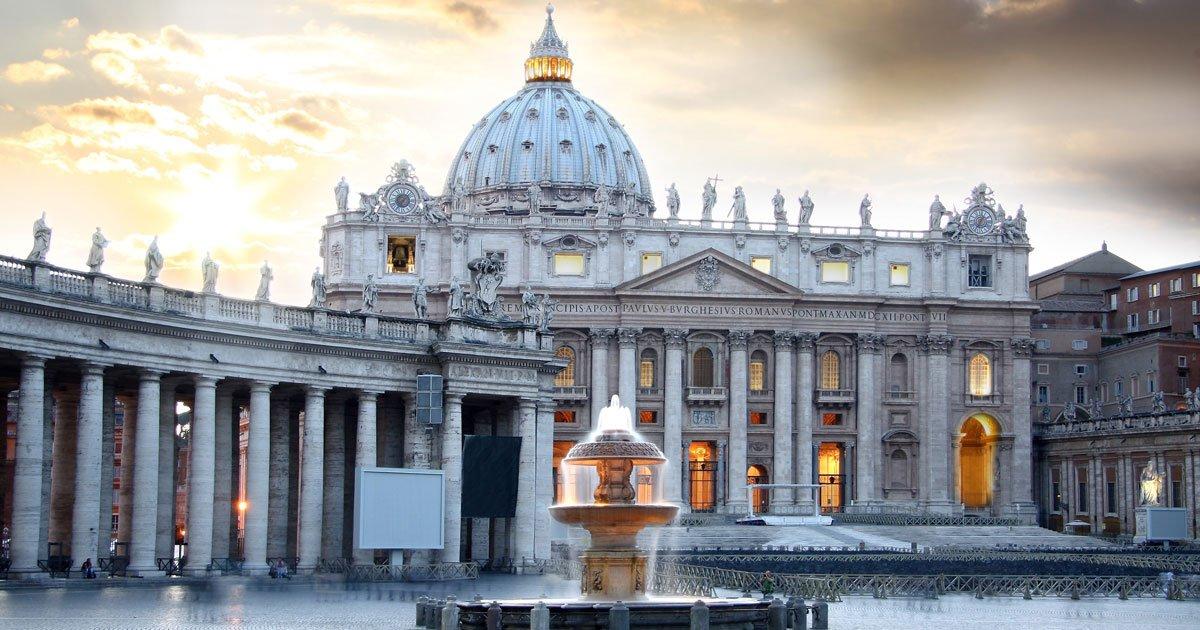
Is the Second Vatican Council receding in the church’s rearview mirror? Has the Francis pontificate raised new and difficult questions about the exercise of papal authority? Is the Roman Church poised to become non-Western? Can popes and bishops teach effectively in a time of rampant individualism and social fragmentation? In short: Quo vadis? We asked five Catholic theologians to reflect on the challenges facing the Catholic Church in these early decades of the twenty-first-century—and to chart a path forward.
—R. R. Reno
Governance
by Christopher Ruddy
Pope Francis is both a cause and a symptom of the present crisis of governance in the Catholic Church. Deliberate doctrinal ambiguity, egregious (in)action on clerical sexual abuse, centralization of papal authority in the name of synodality, a problematic conception of the relationship between ordained and lay authority, mixed signals sent to a German Church teetering on the edge of heresy and schism—these and other actions have pushed Catholicism into uncharted territory.
We face the sad irony of a supposedly synodal, decentralized Church that, to raise a seemingly minor example, forbids some faithful Catholics from worshipping in their parishes and dictates to pastors what can be printed in parish bulletins and on parish websites.
And yet Francis is also a symptom of the centuries-long process that has unduly centralized ecclesial authority in Rome and fostered a cult of papal personality—often at the behest of the laity. The result has been a conception of the pope as an absolute monarch enthroned above the rest of the Church, oracular and isolated.
Continue reading at First Things